
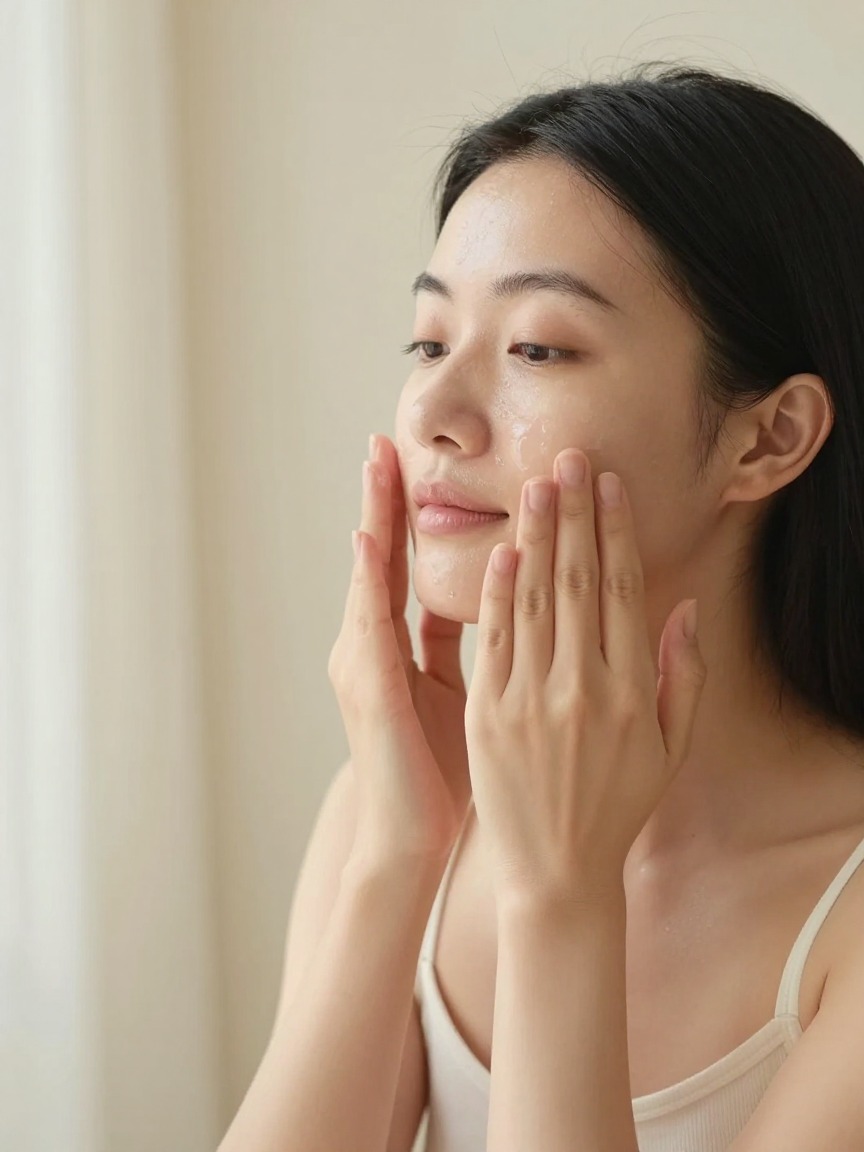
What the 7-Skin Method Actually Is: Layering a Hydrating Toner
The 7-skin method, sometimes called the 7 skin toner method, is a Korean skincare technique. The premise is simple: instead of applying one layer of a hydrating toner, you apply several thin layers in a row. Traditionally that's seven, though the number is more of a catchy round figure than a strict rule. You pat each layer into the skin before adding the next. The idea is that several light passes of humectant-rich layering hydrate the skin more evenly than a single heavier application. Each thin layer has a chance to absorb before the next goes on, rather than pooling on the surface.
Where It Comes From: K-Beauty Roots
The technique traces back to Korean skincare culture. There, a lightweight, water-based toner — often called skin in Korean beauty shorthand — is a foundational step. Layering it multiple times became a popular way to boost hydration without reaching for heavier products. It picked up wider attention outside Korea as K-beauty routines gained a global following. It's often cited as part of the broader philosophy behind Korean skincare. That philosophy prioritizes hydration and gentle, cumulative steps over aggressive, single-product interventions. A rosewater toner like Fresh's fits that gentle approach well.
How to Actually Do It: Damp Skin, Patting & Humectants
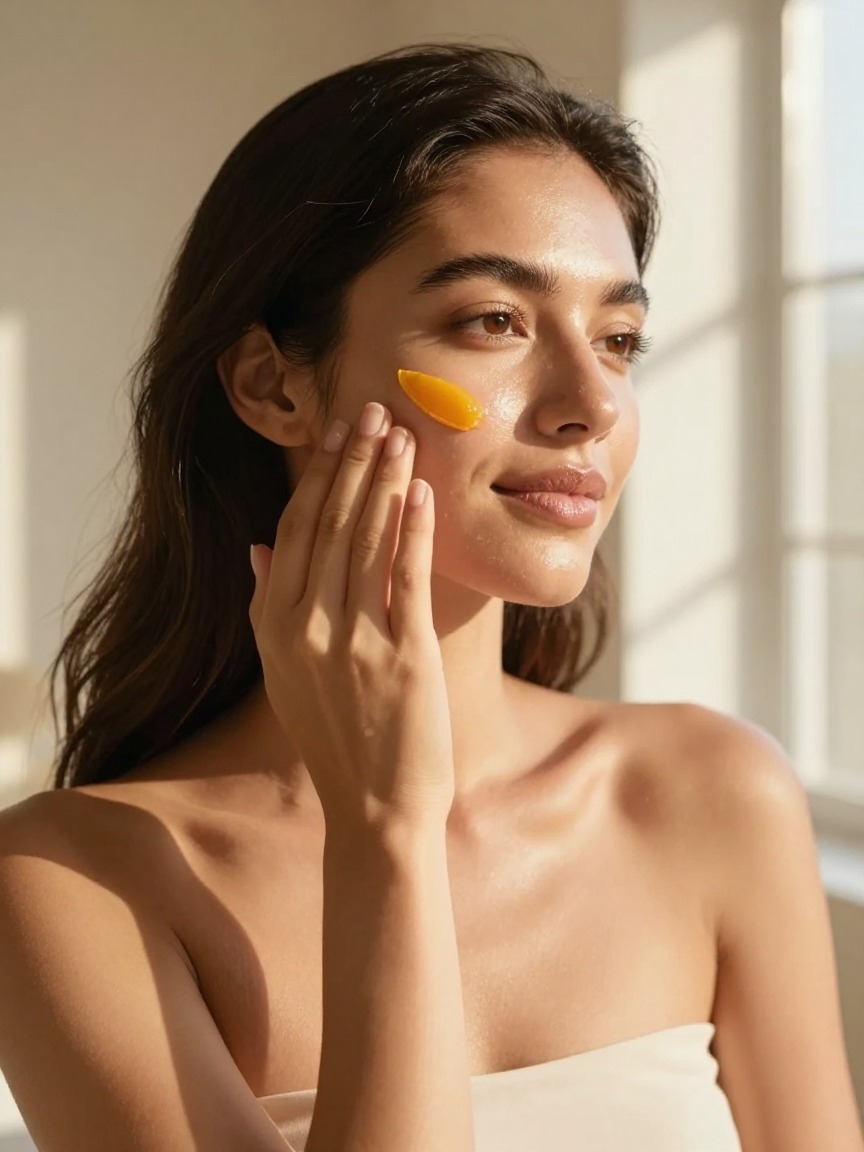
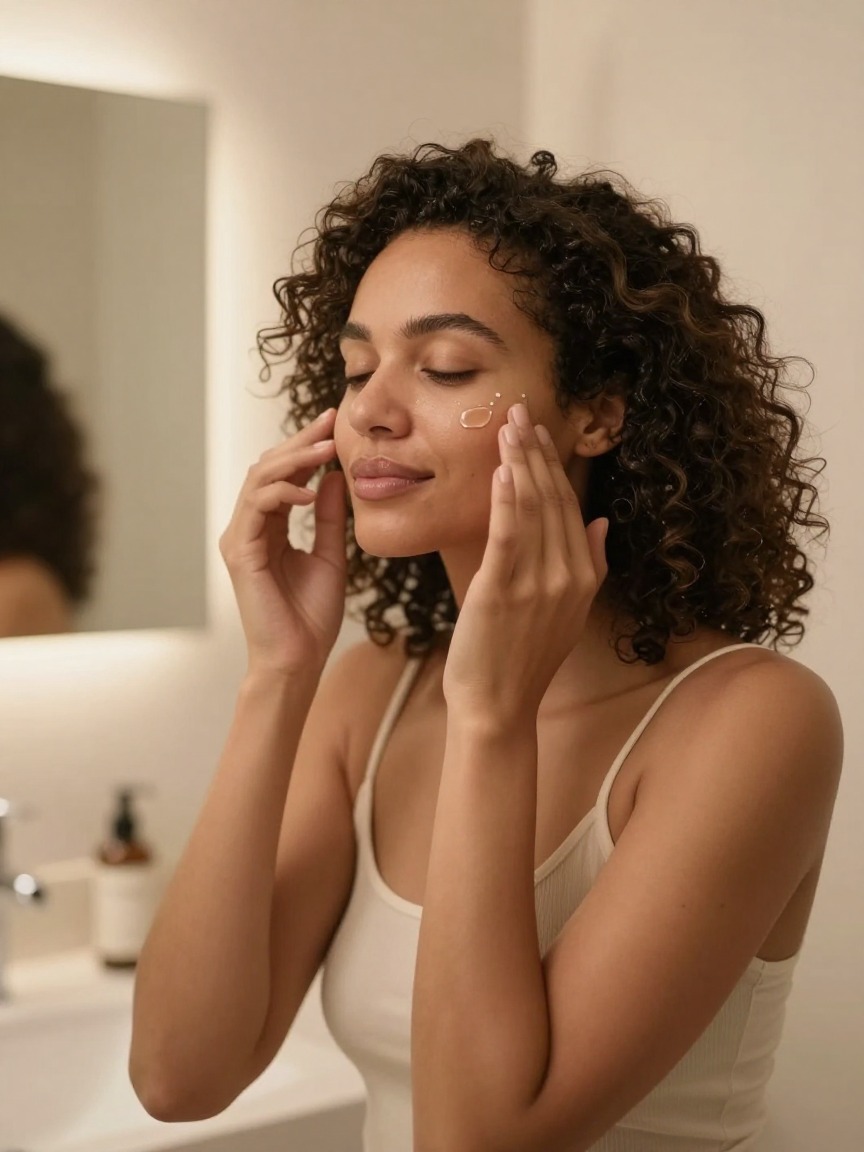
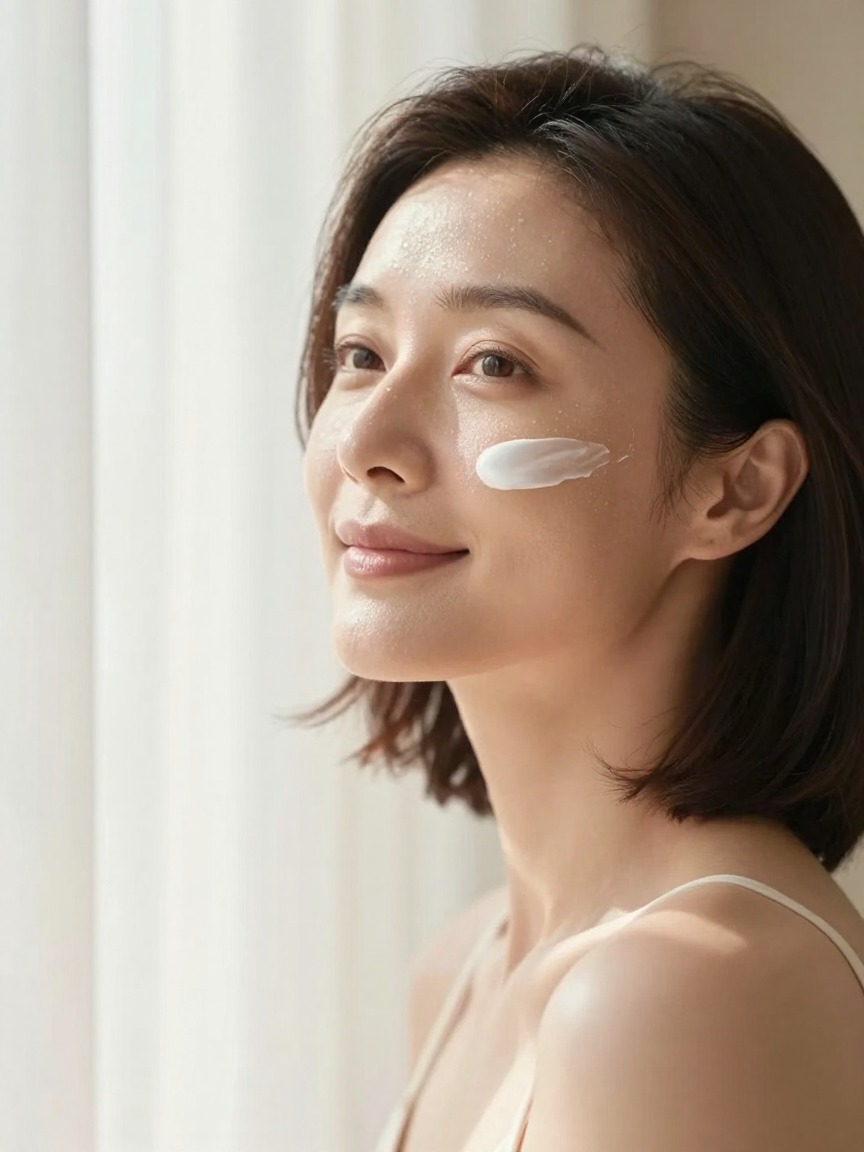
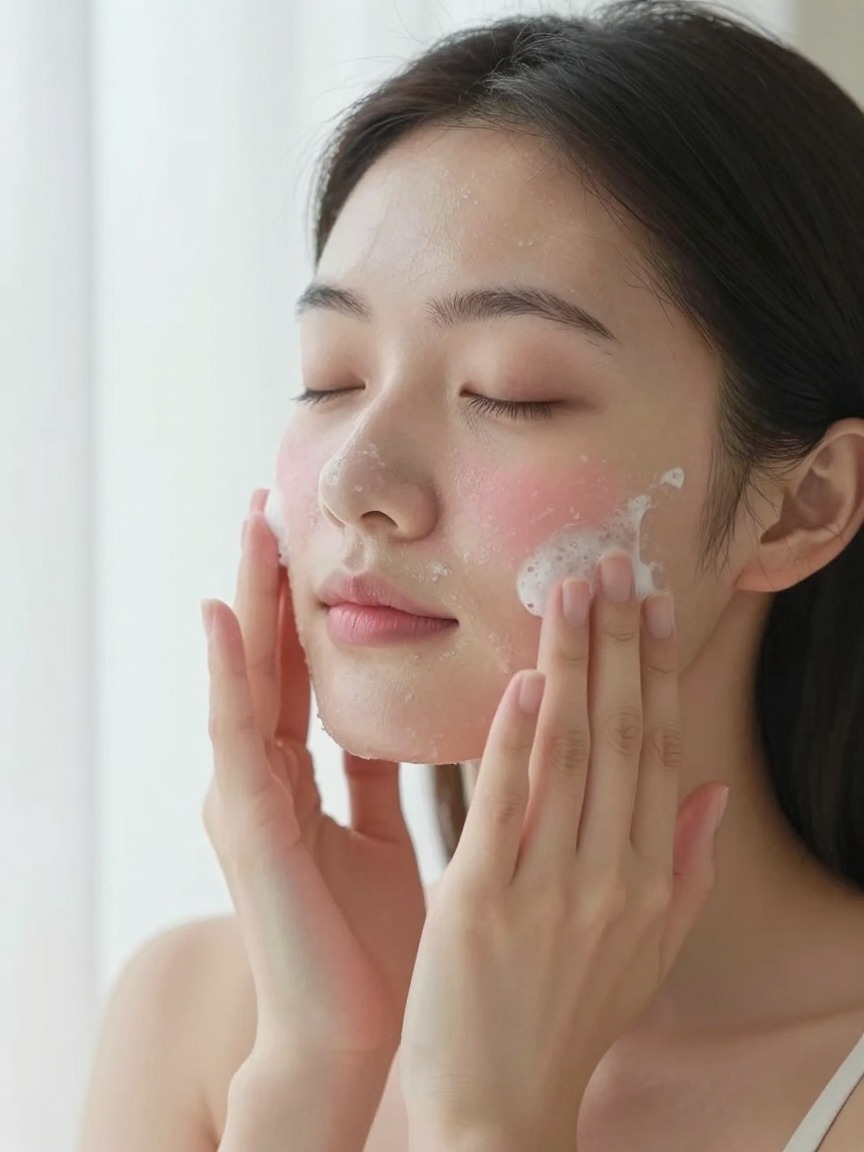
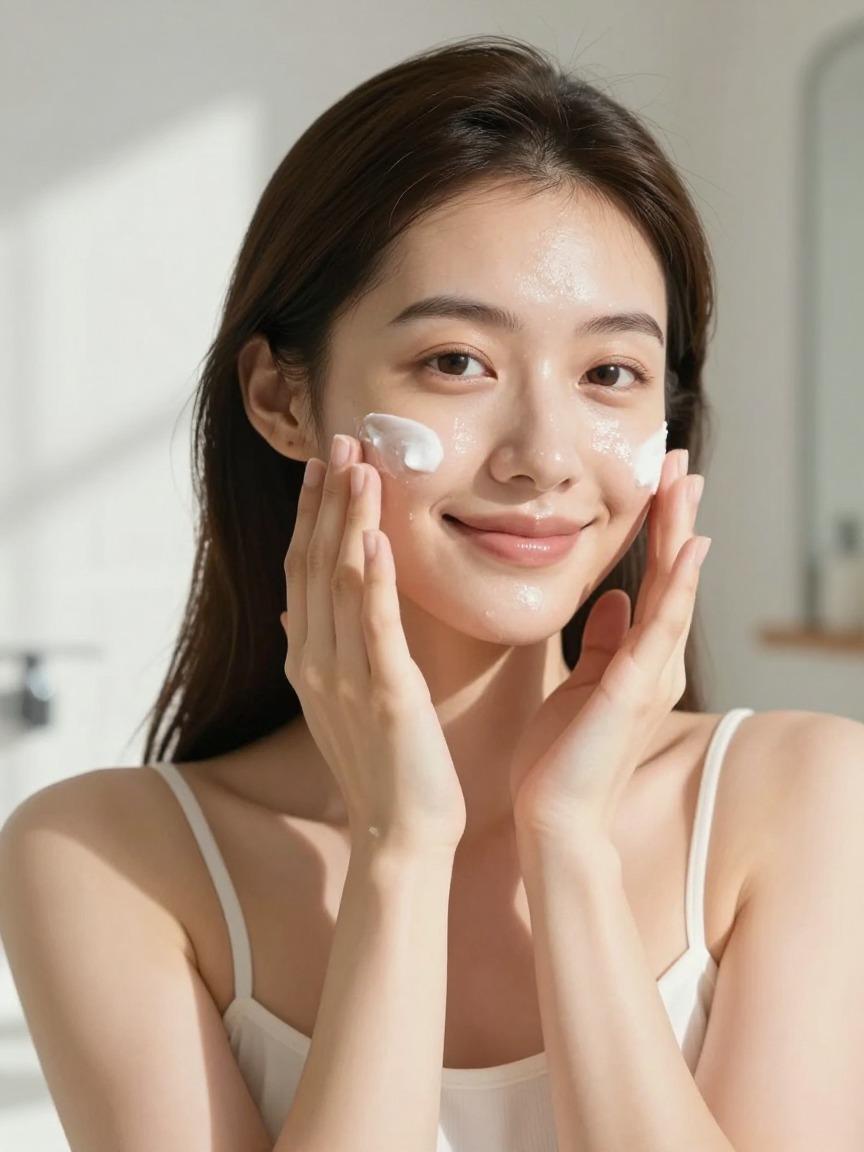
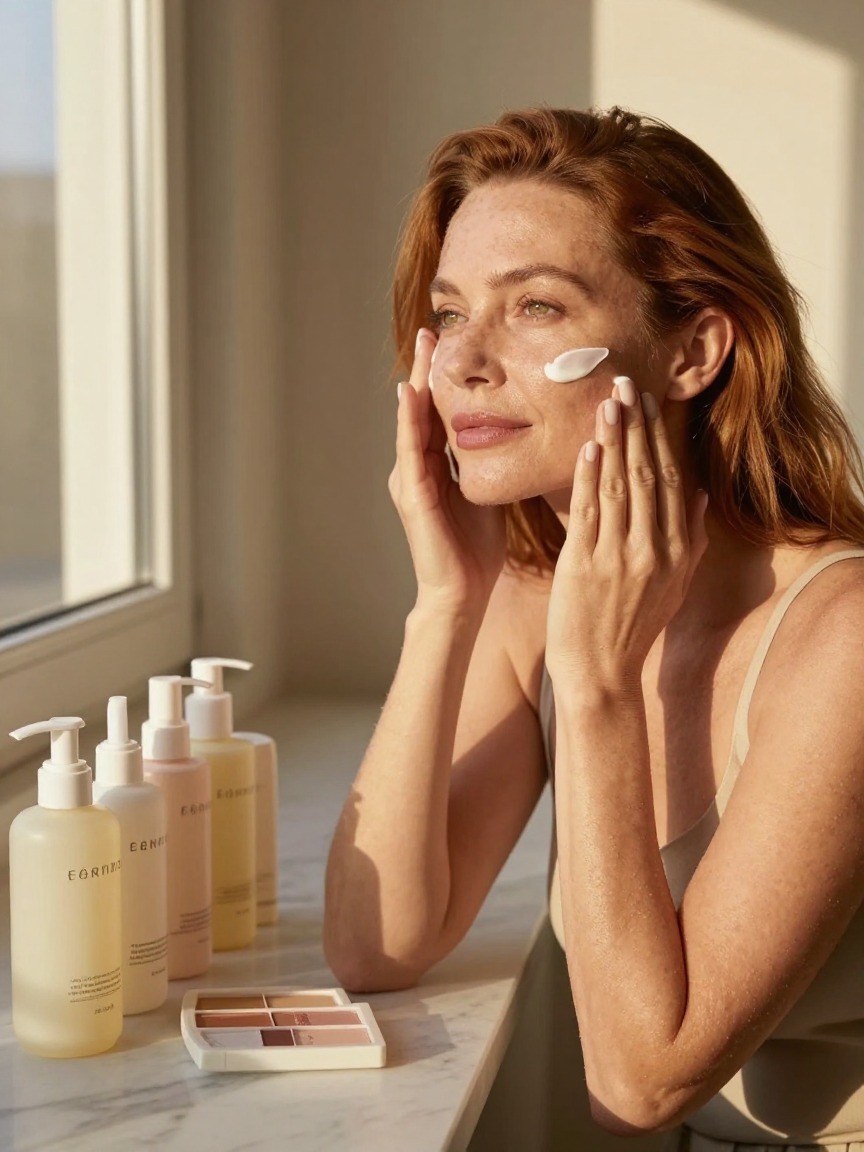
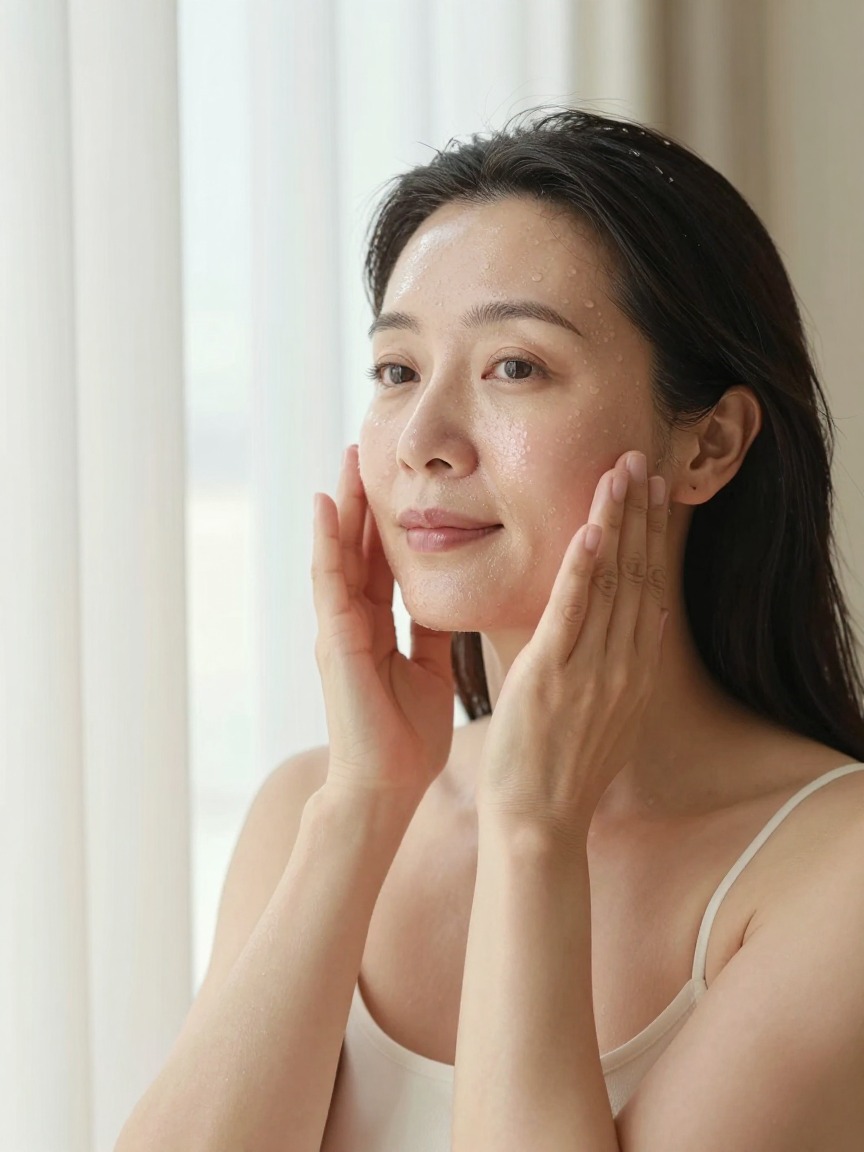
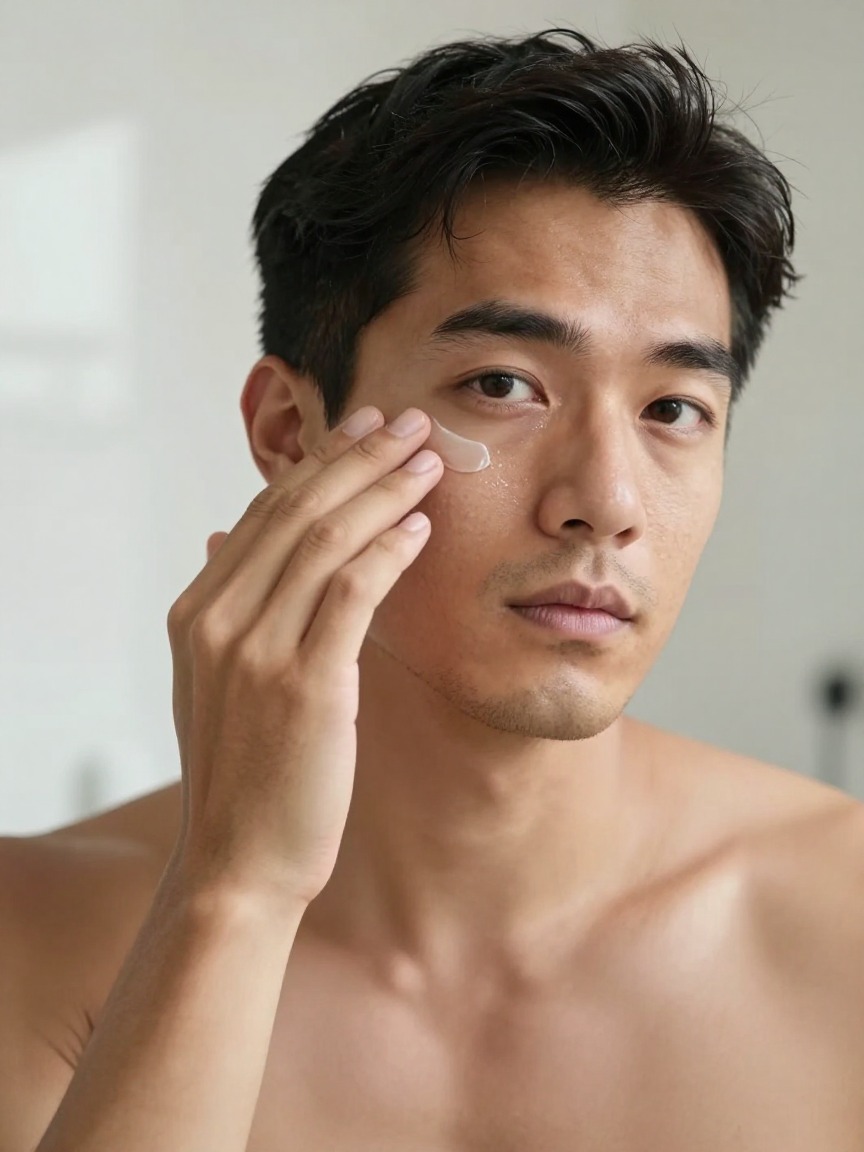
Start with clean, slightly damp skin. Pour a small amount of a hydrating toner into your palms, or onto a cotton pad. Pat it gently into the skin rather than rubbing — patting helps a humectant absorb rather than pushing it around the surface. Wait a few seconds for it to sink in, then repeat with another thin layer. Continue for several rounds, using less product per layer than you would for a single application. A simple, humectant-rich toner like Hada Labo's Gokujyun Lotion works well for this — the goal is thin, frequent layers, not soaking the skin in one pass. Most people find three to five layers gives a noticeable hydration boost without needing to go all the way to seven. The count isn't a rule so much as a name that stuck.
Does the Clinical Research Back It Up? Hyaluronic Acid & Glycerin
There's no rigorous clinical research specifically testing seven thin layers of toner against one thick layer. What is reasonably well-supported is the underlying logic. Humectant ingredients like hyaluronic acid and glycerin do genuinely benefit from being applied to slightly damp rather than fully dry skin. Skin can only absorb so much product at once before the rest simply sits on the surface without adding benefit. Multiple thin layers, each given a moment to absorb, likely deliver a more even, cumulative hydration effect. That beats dumping the same total amount of product on in one go. It's a reasonable inference from how skin absorption generally works. It isn't a specific finding from a study built around this exact technique.
Who Benefits: Dry Skin, Dehydrated Skin & Low Humidity
The 7-skin method tends to make the most noticeable difference for genuinely dry or dehydrated skin. It stands out especially in low humidity climates or during winter. A single application of even a good hydrating toner, like COSRX's, can feel insufficient in those conditions. It's also popular as an occasional treatment — a once-or-twice-a-week hydration boost rather than a daily habit — for anyone whose skin looks dull or feels tight regardless of skin type. Some fans do a version of it with SK-II's fermented essence instead of a plain toner, for an extra dose of active ingredient on top of the hydration.
Oily Skin & Acne-Prone Skin: Choosing a Non-Comedogenic Toner
Oily or acne-prone skin can try the method too. Stick to a genuinely lightweight, non-comedogenic, alcohol-free toner. Layering a heavier or pore-clogging formula seven times compounds the problem. One application of the wrong ingredient is bad enough; seven is worse. A thin, water-based toner keeps the method safe for this skin type.
Where It Falls Short: Moisturizer & Occlusive Sealing Still Matter
The honest limitation is time and product consumption. Doing five to seven layers takes meaningfully longer than a normal routine. Each layer needs a pause to absorb. It also burns through a bottle of toner much faster than a single application would. A toner-essence hybrid like Laneige's Cream Skin isn't really built for this kind of repeat layering. It's also not a substitute for moisturizer. However many layers of toner you apply, skipping the moisturizer step afterward still risks losing that hydration. The water simply evaporates. An occlusive layer on top is what actually traps the water in, particularly in dry or cold conditions. For most people, doing this every single day isn't necessary or realistic. Treating it as an occasional boost — during a particularly dry week, after a flight, or in a cold snap — gets most of the benefit without the daily time cost.
A Simpler Alternative for a Quick Hydration Boost
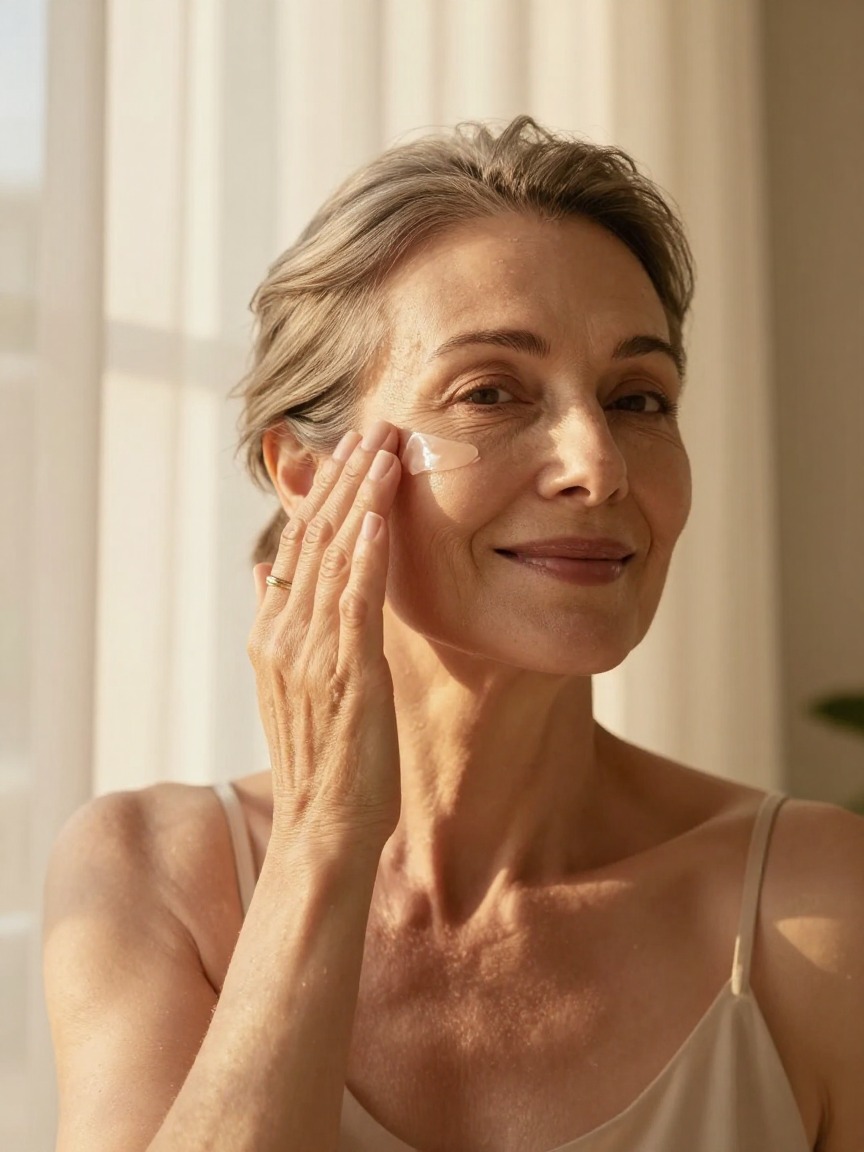
If seven layers feels like more ritual than your routine has time for, the same underlying principle works with far less effort. Apply your hydrating toner once, generously, to damp skin — a fragrance-free option like Klairs works well here. Let it fully absorb, then follow immediately with a moisturizer that contains an occlusive or emollient ingredient to seal the hydration in. That single-layer-plus-seal approach captures most of what the 7-skin method is chasing. You get well-absorbed hydration that doesn't evaporate, without the extra time commitment. It's a completely reasonable everyday routine on its own.