
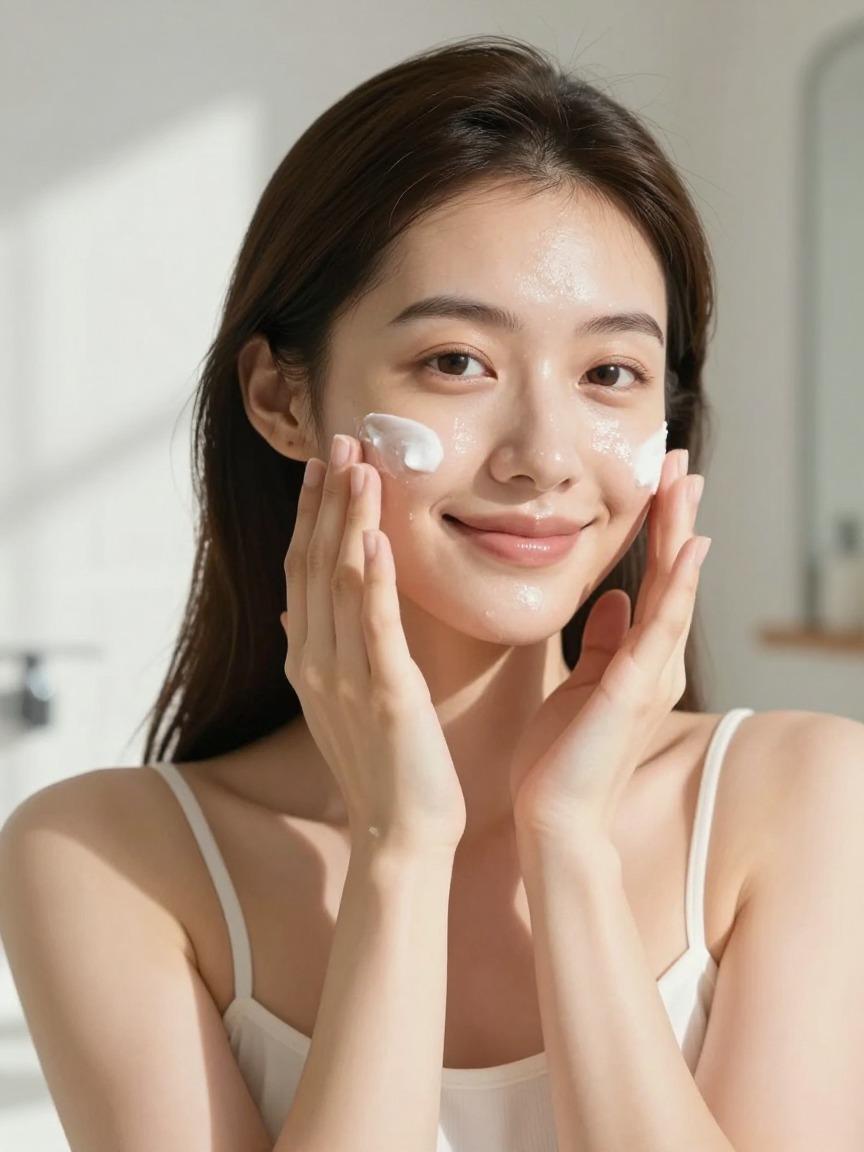
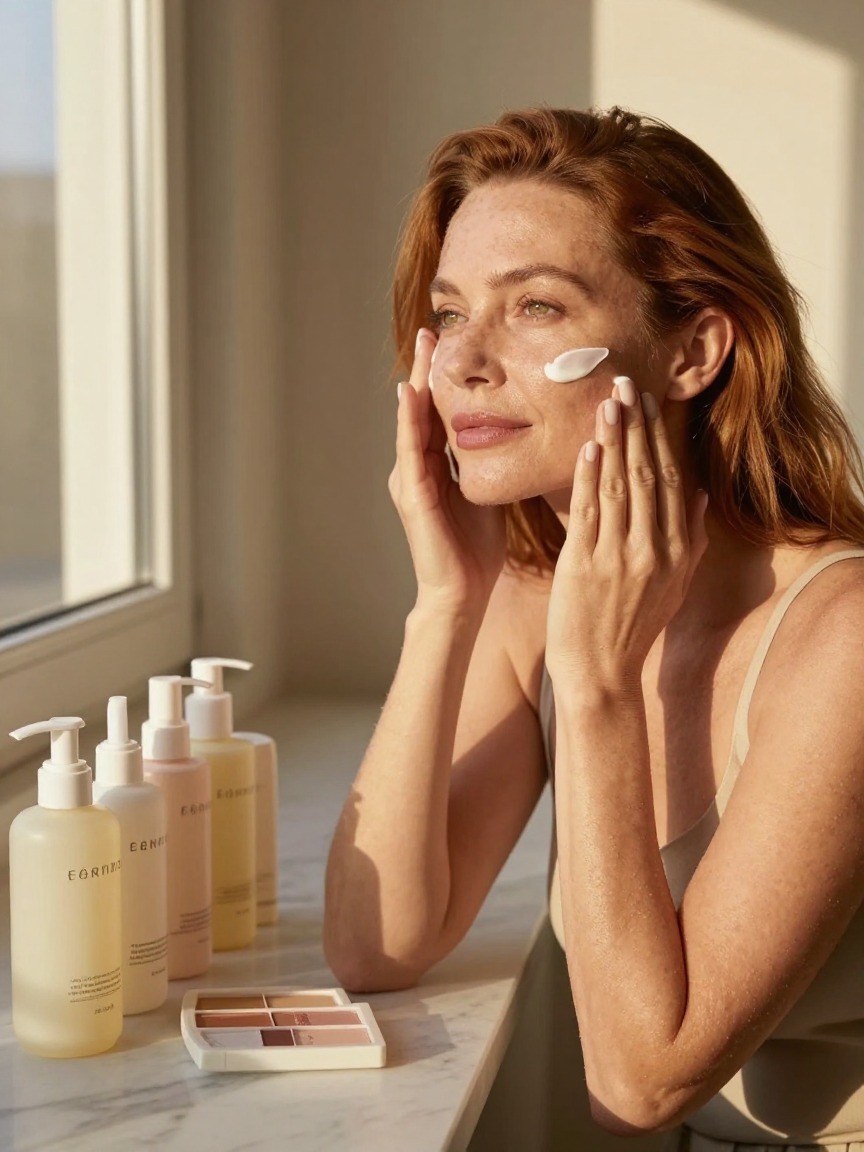
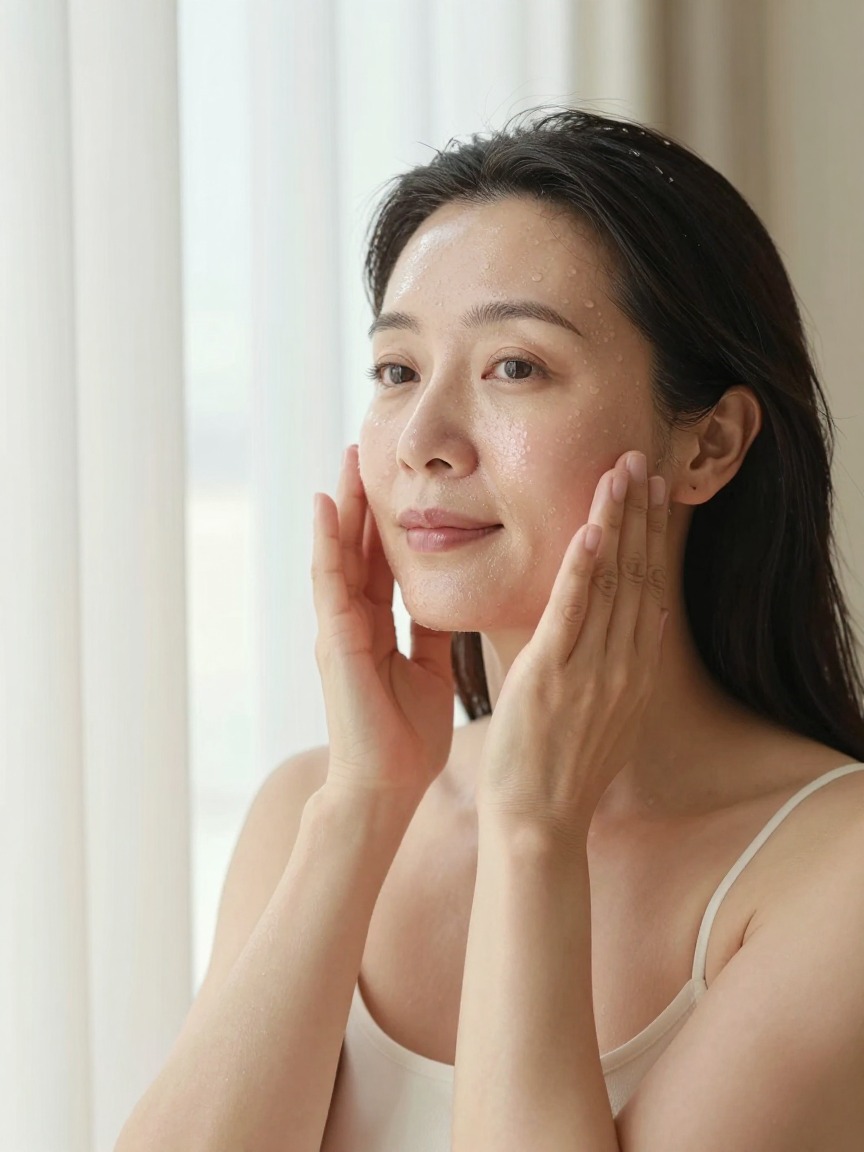
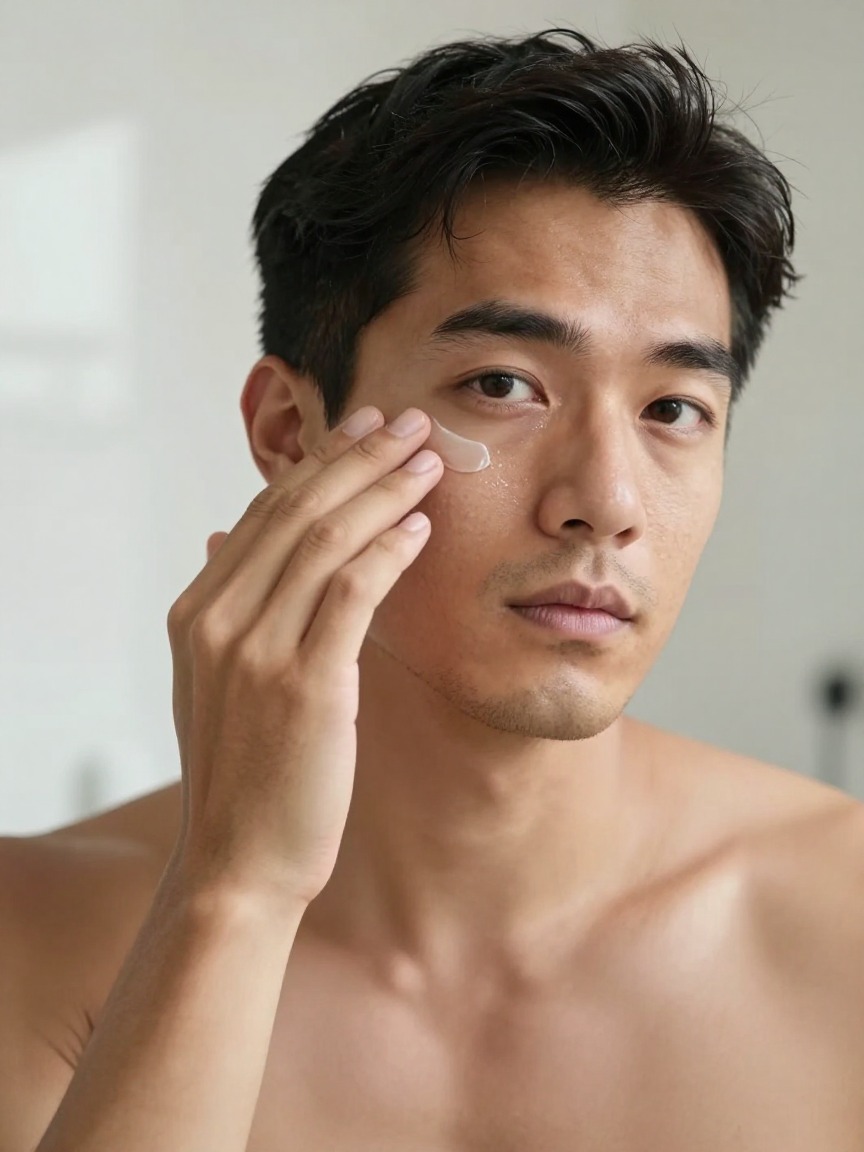
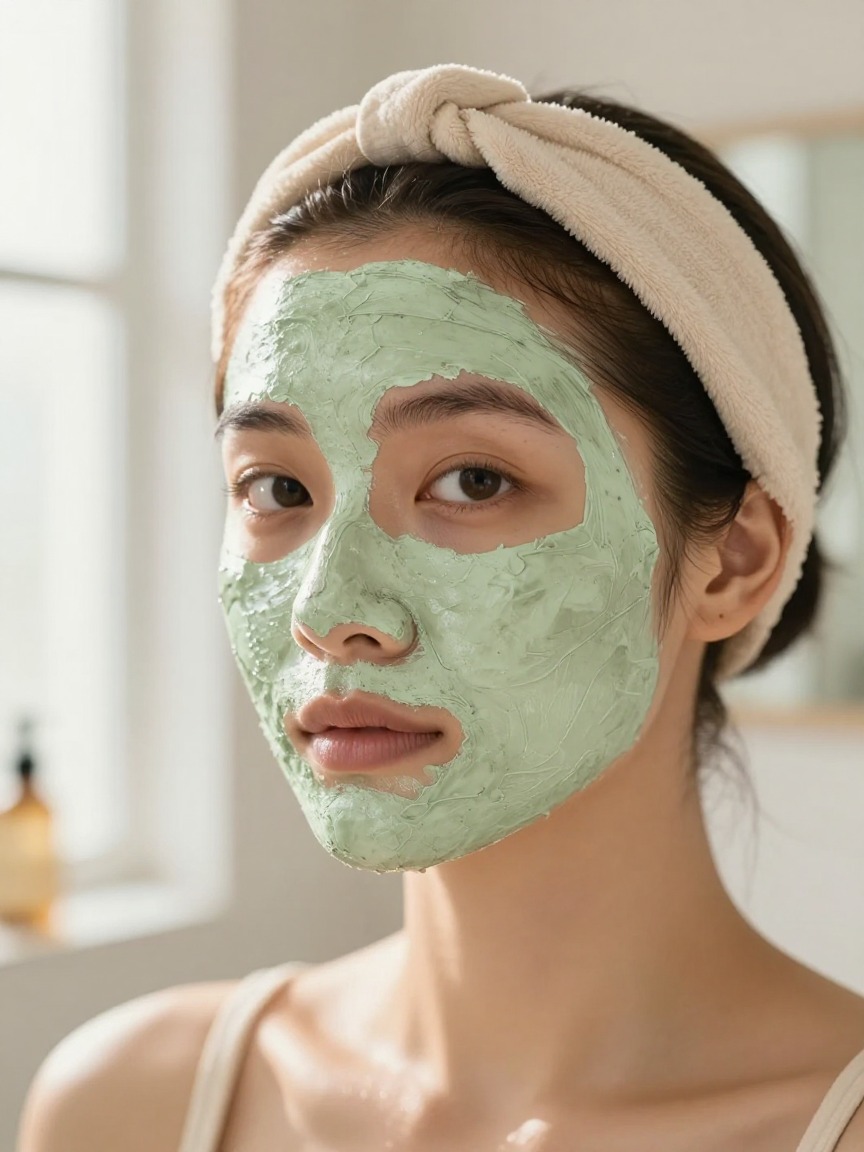

What does a chemical peel do for your face?
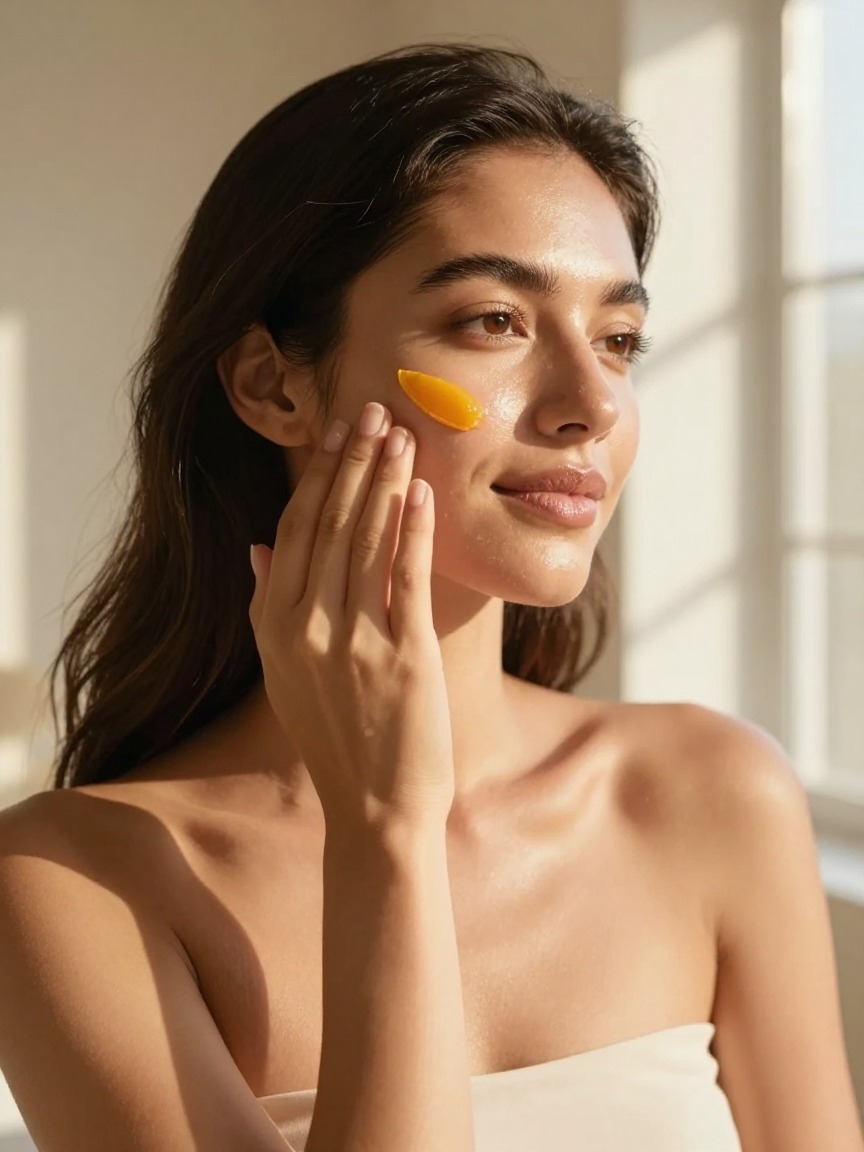
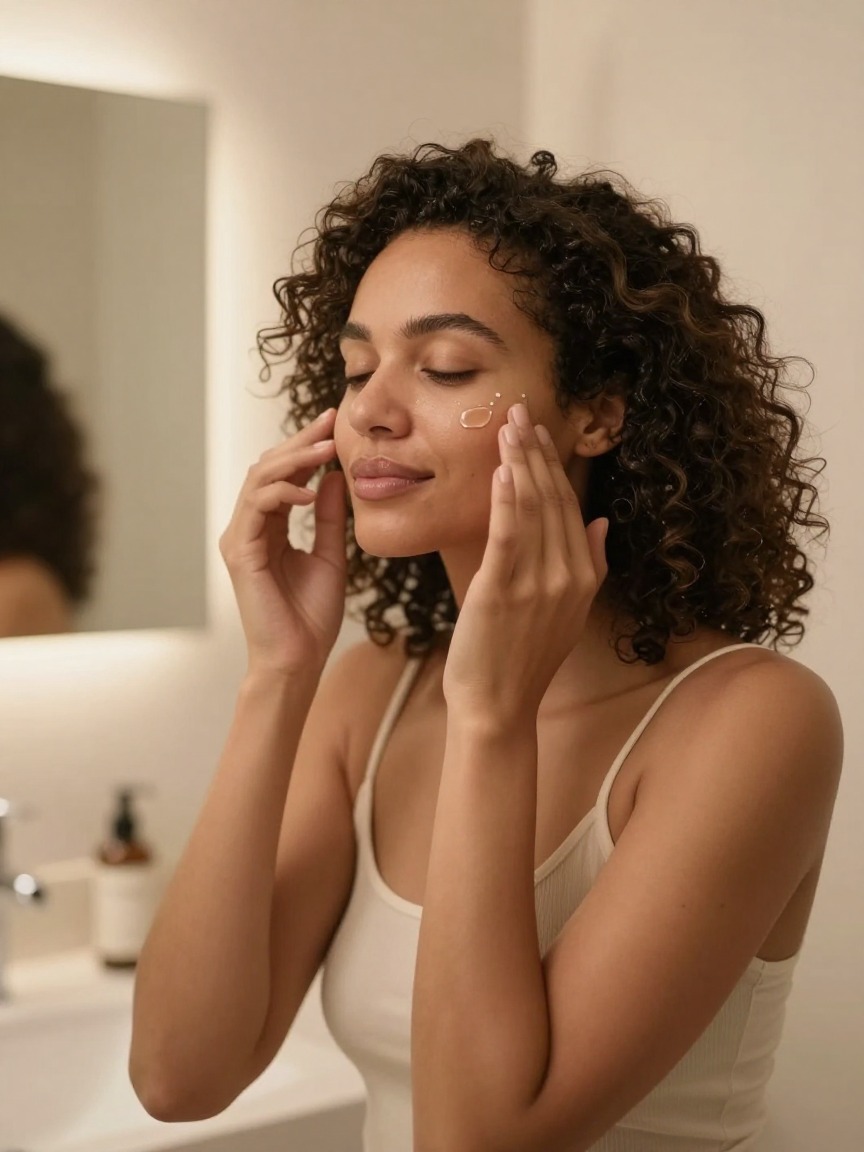
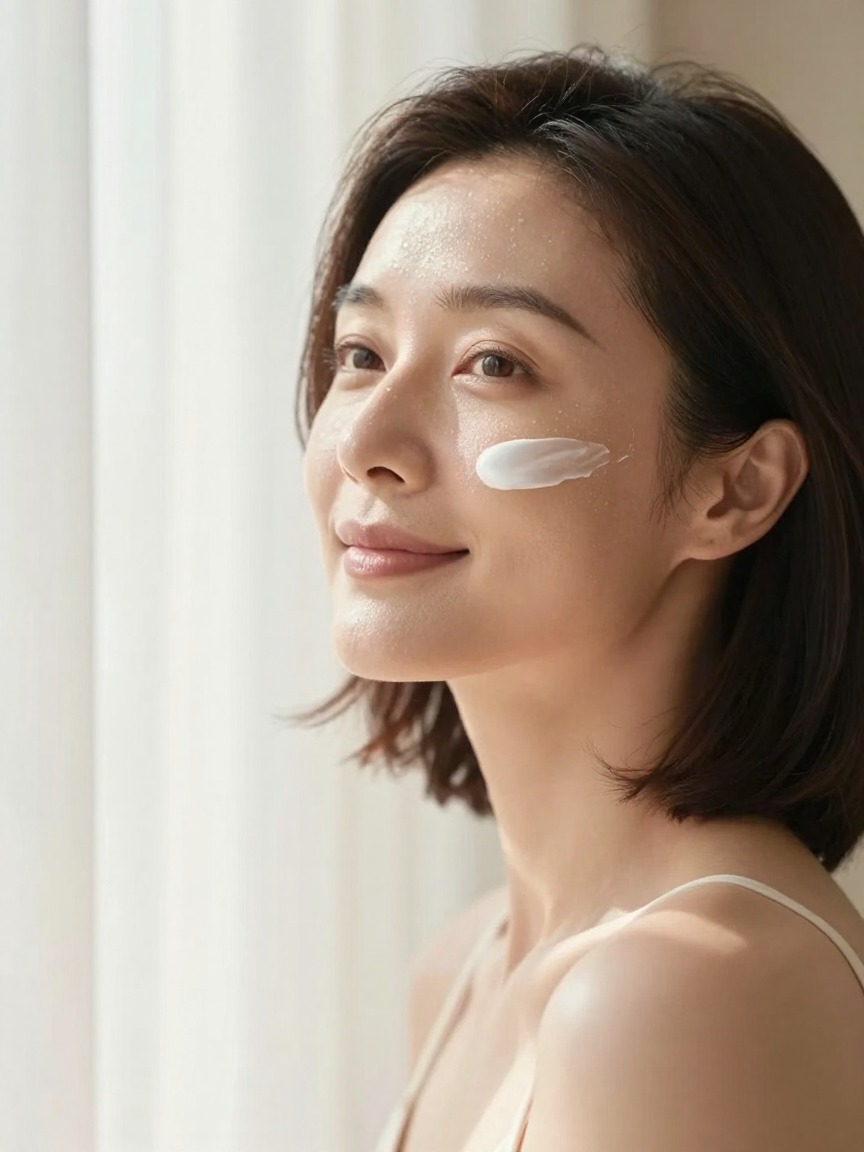
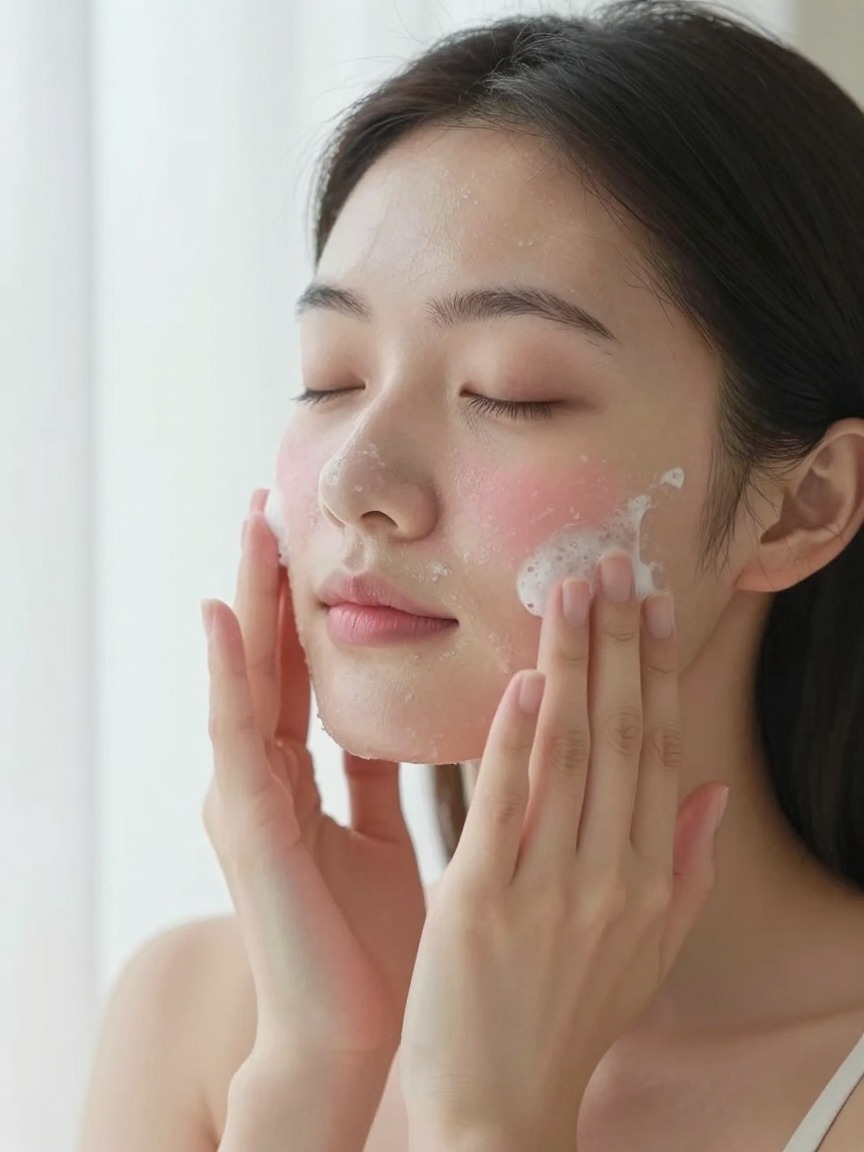
A chemical peel speeds up how fast your face sheds dead skin cells. It uses acids to loosen the bonds holding old cells on the surface. As those cells lift away, fresher skin shows through. Over time this can smooth rough texture and soften dullness. It can also even out superficial tone and help unclog pores. Results build gradually with steady use, not overnight. So think of a peel as a maintenance tool for your face, not a one-time transformation.
At-home peels are milder than the ones done in a clinic. That is by design, so they are safer to use on your face at home. The Ordinary AHA 30% + BHA 2% is a strong weekly rinse-off option. Dr. Dennis Gross offers gentle daily peel pads. Drunk Elephant makes a popular weekly treatment. First Aid Beauty keeps things soft with radiance pads. Start with the mildest choice and see how your skin responds. Strength and frequency are easy to overdo at home. A stronger acid is not automatically better for your face. Used too often, it can leave skin red, raw, and more sensitive. Once a week is plenty for most rinse-off peels. Gentle daily pads are a different, milder category altogether. Always follow the directions on your specific product. When in doubt, do less, since you can build up but cannot rush recovery.
So the honest picture is realistic. A chemical peel refines and maintains your face. It does not rebuild it.
How a chemical peel sheds dead skin cells and smooths skin texture
The whole effect starts with dead skin cells. Skin naturally sheds them, but the process slows with age and buildup. That buildup is what makes skin look dull and feel rough. A chemical peel clears the layer of dead skin cells faster than nature does. With that layer gone, light reflects more evenly and skin feels softer. This is the core reason peels improve skin texture over a few weeks.
Smoother skin texture is the most reliable payoff of regular peeling. As the surface renews, fine roughness fades and pores can look clearer. Peels also help unclog pores by clearing debris trapped at the opening. Aftercare decides how good the results look. New skin is delicate and burns easily, so daytime sunscreen is essential. Skip scrubs and other acids for a day or two after a peel. Focus on gentle, hydrating products while the skin settles. This calm window is when smoother skin texture actually shows up. Rushing back to strong actives only undoes the progress. A sensible way to use them:
- Start once a week and watch how your face reacts.
- Wear sunscreen daily, since new skin burns more easily.
- Skip other strong actives on peel days to protect skin texture.
Set expectations at the right level. Peter Thomas Roth and L'Oréal Paris both offer at-home peel products for gradual results. None of them fixes deep scars or diagnosed skin conditions. Those need a professional. If you have active acne, melasma, or very reactive skin, talk to a dermatologist before you peel. Used gently and consistently, a chemical peel keeps your face smoother, brighter, and clearer over time. Give each peel time and gentle aftercare to show its best. Steady, careful use is what keeps skin texture smooth long term.
Affiliate disclosure: We may earn a commission from qualifying purchases made through links on this page, at no extra cost to you. Some links on this page are affiliate links.
Recommended at-home chemical peels
Editor-picked products from our guides.
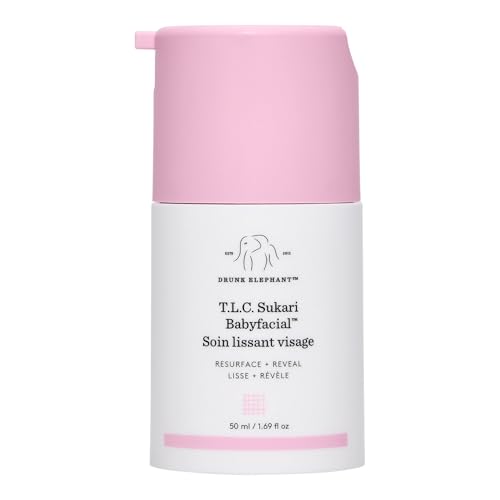
T.L.C. Sukari Babyfacial
Drunk Elephant
It layers a 25% AHA blend with 2% BHA in a 20-minute leave-on mask format. That gives you a more intensive weekly treatment than a daily pad, without needing a full professional peel.
- Higher acid concentration delivers noticeably smoother skin after one use
- BHA content helps clear congestion, not just surface dullness
- Fragrance-free formula removes one common irritant
- Strong enough that first-time users often feel real tingling or mild stinging, so it's not a good first peel

AHA 30% + BHA 2% Peeling Solution
The Ordinary
At 30% glycolic-acid-led AHA plus 2% BHA, this is one of the strongest peel solutions sold without a prescription. It's built for a once-weekly, strictly-timed application.
- Very high acid concentration for visible texture and tone improvement
- Inexpensive relative to the strength delivered
- Clear timing instructions make dosing more predictable than a vague leave-on serum
- High enough strength that overuse or skipping the patch test risks real irritation or burning — not a product for peel beginners

Facial Radiance Pads
First Aid Beauty
A modest 5% glycolic acid dose in a pre-soaked pad makes this the gentlest true peel format here. It gives new users a way to introduce acids without much risk of stinging or flaking.
- Low, beginner-friendly acid concentration
- Pre-soaked pad format keeps dosing consistent and mess-free
- Gentle enough for several uses a week for most skin types
- Too mild to make a visible dent in deeper texture or pigmentation concerns