What Actually Helps with Dark Circles, Puffiness & Pigmentation
Under-eye creams can genuinely improve the appearance of dark circles. But results depend entirely on what's causing them. A caffeine-and-vitamin-K cream won't do much for circles caused by genetics or bone structure. A rich, heavy cream won't help puffiness caused by fluid retention. Before buying, get a rough read on your own cause. Is the skin thin and bluish (vascular)? Is it brownish and flat (pigmented)? Or is it more of a shadow from a hollow under the eye (structural)?
Caffeine, Vitamin K, Niacinamide & Retinol: Ingredients Worth Looking For
- Caffeine — temporarily constricts blood vessels and reduces fluid buildup. It helps with puffiness and the bluish tint of visible capillaries.
- Vitamin K — often paired with caffeine for bruised-looking, vascular circles. The evidence is thinner than for caffeine, but it's low-risk.
- Niacinamide — helps even out tone and can fade some pigmentation with consistent use. It's well tolerated by most skin types.
- Retinol — the best-studied ingredient for thickening thin under-eye skin. It softens fine lines over months of use, though it can irritate and increase sun sensitivity.
Peptides, Hyaluronic Acid & Ceramides for Fine Lines and Hydration
- Peptides — support collagen and skin firmness. They're less dramatic than retinol but generally gentler.
- Hyaluronic acid and ceramides — hydrate and plump the area. This can soften the look of shadowing and fine lines even without changing pigment.
Matching the Formula to Sensitive Skin, Fragrance-Free Needs & Under-Eye Skin Type
Thin, reactive, or eczema-prone skin usually does better with a fragrance-free, ceramide-rich cream. Introduce retinol slowly, if at all. Oily or combination skin types tend to prefer a lightweight gel-cream over a heavy balm. Richer textures can sit under makeup or contribute to milia for some people. If pigmentation is the main issue, look for niacinamide or a brightening formula rather than caffeine alone. Caffeine mainly addresses vessels and fluid, not pigment.
Brightening Dark Spots & Building Collagen Over Time
Brightening ingredients like niacinamide and vitamin C work on dark spots gradually, not overnight. Retinol and peptides support collagen production, which firms the under-eye area over months. None of this happens fast. Expect a real difference only after weeks of consistent use, not days.
Common Mistakes: Sunscreen, Dermatologist Visits & Realistic Timelines
- Applying too much product — a rice-grain amount per eye is enough. More doesn't work faster and can migrate into the eyes.
- Expecting a cream to fix structural or genetic circles. No topical product removes a shadow caused by bone structure or fat-pad loss.
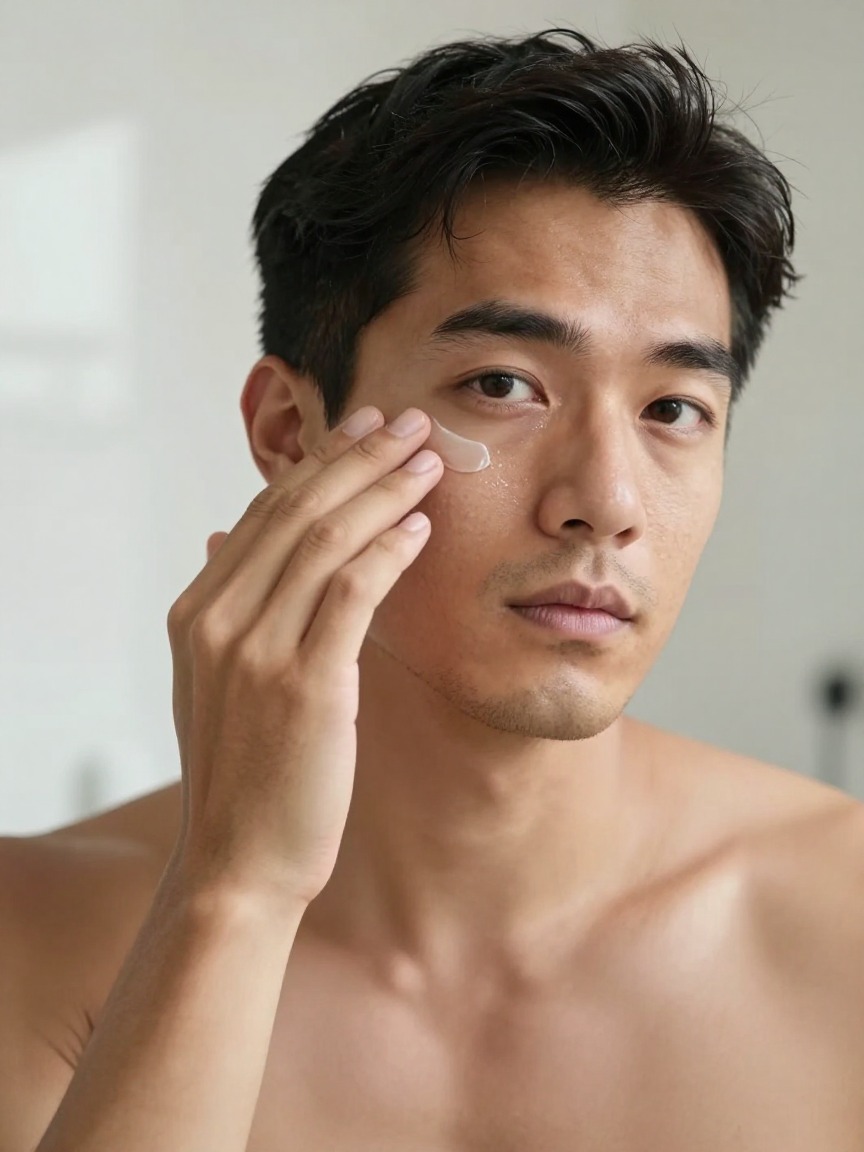
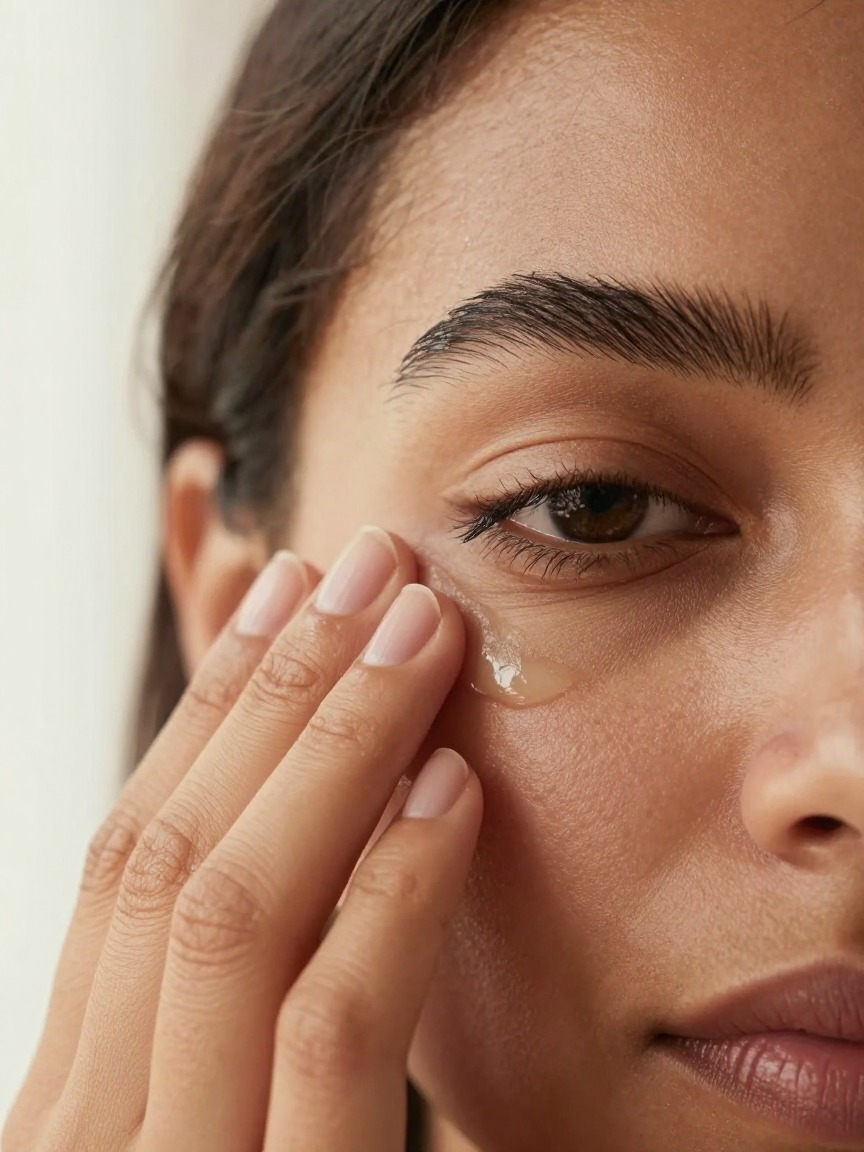
- Rubbing or tugging the skin when applying. The under-eye area is thin, and friction can worsen pigmentation over time. Pat product in with a ring finger instead.
- Skipping sunscreen. UV exposure undoes the work of brightening ingredients and worsens pigmentation.
- Giving up after a week. Retinol, vitamin C, and niacinamide typically need 8–12 weeks of consistent use before a difference shows.
If circles appear suddenly, are noticeably asymmetric, or come with swelling, itching, or pain, that's outside what any eye cream can address. See a dermatologist rather than troubleshooting with products.
Buy for your cause, not the boldest claim
The single most useful buying move is to shop by what's actually causing your circles. If they read blue and puffy, a caffeine-forward formula like The Ordinary's targets vessels and fluid for little money. If they read brown, a niacinamide or brightening pick such as La Roche-Posay's Pigmentclar is a better spend. If the real issue is crepiness and fine lines, a retinol eye cream like RoC's or a richer avocado-based cream like Kiehl's fits better. Matching the formula to the cause saves you from paying for actives that can't touch your particular circles.
Gel, cream or balm, and what the label should say
Texture affects both comfort and whether the product plays nicely under concealer. A light gel-cream like Neutrogena's suits oily lids and layers well under makeup; a richer cream suits dry, mature under-eyes but can leave some people with milia if over-applied. On the label, look for a named active at a sensible spot in the list and, for reactive skin, a fragrance-free formula such as CeraVe's. Treat erases dark circles or instant claims as marketing — no topical clears a genetic or structural shadow.
Spend vs save
Eye creams are easy to overspend on. A budget caffeine solution or a fragrance-free barrier cream covers most everyday needs, and a drugstore retinol option delivers a well-studied active cheaply. Spend more only for a specific reason — a texture you love, a brightening system, or an antioxidant-rich formula you'll use consistently. Consistency over eight to twelve weeks matters far more than price, so buy the one you'll keep reaching for.