Zinc oxide, mineral filters & non-comedogenic ingredients to check first
"Oil-free" and "non-comedogenic" are marketing terms, not regulated claims. The FDA doesn't verify either one. The real test is the ingredient list. Look for zinc oxide or titanium dioxide — mineral filters that don't feed acne-causing bacteria. Modern chemical filters like avobenzone work too, especially paired with silica or dimethicone-type ingredients that absorb oil instead of trapping it. Skip formulas high in coconut oil, isopropyl myristate, or heavy occlusive waxes. These are common pore-clogging culprits, even in sunscreens marketed for oily skin.
Gel sunscreen, matte finish & oil-free textures explained
For oily and acne-prone skin, texture usually matters more than SPF number. Gel sunscreen (often alcohol- or water-based) absorbs fastest and feels closest to nothing. Fluids and gel-creams sit close to skin without extra shine. Mattifying lotions use silica or clay-type ingredients to soak up oil through the day. Thicker creams and milks often feel heavy under makeup by midday, even when labeled "for oily skin." Test a small amount on your jaw for a few hours before committing your whole face.
Niacinamide, silica & chemical filters that fight breakouts
Many of the best sunscreens for oily, breakout-prone skin now include niacinamide. Research supports niacinamide for regulating sebum production and calming redness — a genuine bonus layered into daily sun protection. Some formulas also add salicylic acid or soothing ingredients like allantoin. These extras don't replace a dedicated acne treatment. But they make the sunscreen step feel less like a tax on your routine.
Pore-clogging mistakes that undercut your SPF
- Skipping sunscreen because acne treatments already feel sensitizing. Retinoids, benzoyl peroxide, and exfoliating acids actually increase sun sensitivity, making daily SPF more necessary, not less.
- Using too little product to control shine. Under-application is the top reason sunscreen fails to deliver its labeled SPF, oily skin included.
- Layering primer, sunscreen, and powder without letting each one set. This can cause pilling.
- Blaming every new breakout on sunscreen alone. New actives, weather changes, or hormonal shifts can look identical to a pore-clogging reaction — patch test on the jaw first.
Fragrance-free picks for sensitive skin, daily sun protection & when to see a dermatologist
We're reviewers, not clinicians. Several picks below are fragrance-free, which matters for sensitive skin prone to reacting to actives or sun exposure. See a dermatologist if breakouts are persistent, painful, or not improving with consistent care, or if a sunscreen causes a reaction. A dermatologist can identify the actual cause and recommend a formula suited to your skin.
Matching a Sunscreen to How Oily Your Skin Runs
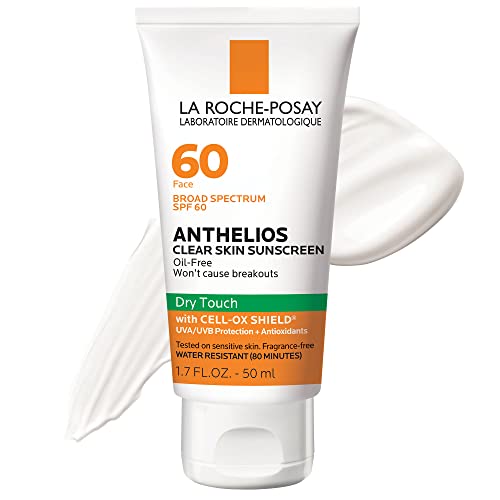
Be honest about how much shine you fight, then buy for that. If you run very oily and hate any slip, a watery, gel-type essence like the option from a brand such as Biore feels closest to nothing and resets the bar for what oily skin can tolerate. Skin that breaks out easily is safest with a dedicated oil-free, mattifying formula such as La Roche-Posay's clear-skin option, built to stay put without clogging. If you want a genuine matte finish that also grips makeup, a fluid primer-style sunscreen from that same house works as a base and SPF in one. Anyone whose main ask is a weightless, invisible layer with no cast will do well with a primer-like option from a brand like Supergoop.
Reading the Label as an Oily-Skin Buyer
- Prioritize "gel," "fluid," "matte," or "dry-touch" on the front; these signal the textures oily skin keeps wearing all day.
- Treat a niacinamide-inclusive formula, like the EltaMD option, as a bonus that earns its shelf space, not a reason to skip a real acne treatment.
- Scan the list for heavy oils and waxes near the top and put those back, no matter how the front is marketed to oily skin.
- Buy a small size first if you can, and test it on your jaw for a few hours before committing your whole face.
When to Spend Up and When a Drugstore Pick Wins
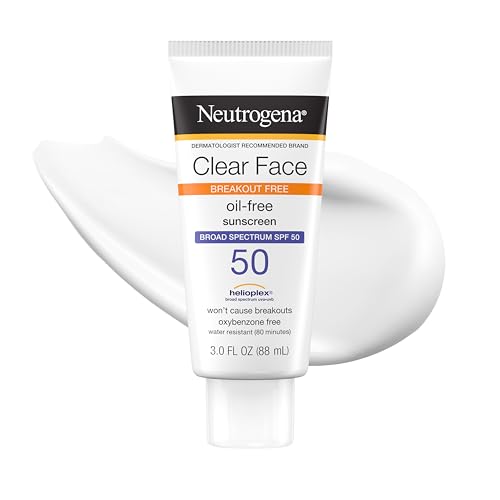
You do not have to overspend here. A solid oil-free option from a brand like Neutrogena covers the basics at a drugstore price and is often all breakout-prone skin needs. Spend more only when a lighter, more elegant texture is what finally gets you wearing sunscreen every day, since consistency, not the label, is what protects your skin. If breakouts are persistent or painful, put the money toward a dermatologist visit before another bottle; the right formula matters less than confirming what is actually causing the flare. Either way, buy the smallest size that lets you trial the texture first, since a good fit on your own skin matters more than any deal on a bottle you end up abandoning.