What Makes a Gentle Cleanser Work: pH-Balanced, Sulfate-Free Formulas
A cleanser earns the label "gentle" for three reasons: its surfactant type, its pH, and what it leaves out. Harsh surfactants like sodium lauryl sulfate strip the lipids that hold your skin barrier together. That stripping is exactly what triggers tightness, redness, and reactivity in sensitive skin. Milder, sulfate-free surfactants — cocamidopropyl betaine, decyl glucoside, or no real surfactant at all in cream-cleanser formulas — clean without dismantling the barrier. A pH-balanced formula close to skin's natural 4.5–5.5 range also matters more than most labels admit. Alkaline bar soaps and some foaming washes sit much higher and leave skin feeling stripped even after rinsing.
Barrier-Friendly Ingredients: Ceramides, Hyaluronic Acid & What to Watch
- Ceramides and hyaluronic acid help replace what cleansing removes, supporting a barrier-friendly formula
- Glycerin and panthenol support hydration without heaviness
- Colloidal oatmeal and allantoin can calm reactive skin during the wash itself
- Fragrance, including "natural fragrance" and essential oils, is the single most common trigger. Fragrance-free is the safer default
- Alcohol denat. and high concentrations of exfoliating acids don't belong in a daily cleanser for reactive skin
Cream Cleanser, Cleansing Balm, or Non-Foaming Gel: Choosing a Texture
Non-foaming cream cleansers and lotion cleansers are the safest starting point for most sensitive skin. They rely on emollients rather than aggressive surfactants to lift debris. Sulfate-free foaming cleansers can still work well, especially for combination or oilier sensitive skin that wants more of a "clean" feel. Just make sure the foam comes from a mild surfactant base rather than classic sulfates. Cleansing balms and oils are worth considering for removing sunscreen or makeup. Check that the emulsifiers and any added fragrance don't undo the gentleness.
Rosacea, Eczema-Prone & Dry Skin: Best Practices at the Sink
Even the mildest cleanser can misbehave if it's used the wrong way. Hot water, vigorous scrubbing, and over-cleansing more than twice a day all cancel out a mild formula. So does layering a gentle cleanser under a harsh toner or scrub. Rosacea-prone and eczema-prone skin react fastest to these habits, and dry skin loses moisture fastest of all. Use lukewarm water, pat instead of rub, and keep the routine simple.
Hypoallergenic Claims & Dermatologist-Recommended Picks
"Hypoallergenic" is a marketing term, not a regulated one — it signals intent, not proof. A short ingredient list and a genuine fragrance-free formula matter more than the word on the front of the bottle. That's why the picks below lean toward dermatologist-recommended brands with a long track record on sensitive skin. If your skin still stings, burns, or turns red minutes after using a product marketed as gentle, stop. Consider seeing a dermatologist rather than cycling through more products on your own.
Matching a gentle cleanser to how reactive your skin is
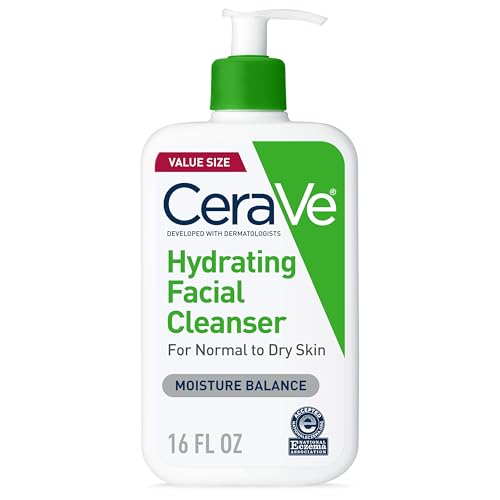
Sensitive skin isn't one thing, so match the formula to your specific pattern. Dry-to-normal sensitive skin, especially if you also use retinoids, pairs well with a hydrating non-foaming option like CeraVe Hydrating Facial Cleanser. Skin prone to redness or rosacea-adjacent flushing tends to do best with a minimal-ingredient formula such as La Roche-Posay Toleriane Hydrating Gentle Facial Cleanser. For the most reactive skin — eczema-prone or with diagnosed contact dermatitis — the shortest possible ingredient list, like Vanicream Gentle Facial Cleanser, is the safest buy. Very dry or post-procedure skin may want the mildest possible lotion cleanse, something like Avène Extremely Gentle Cleanser Lotion, while combination-sensitive skin that still wants a little foam can look to a sulfate-free option like First Aid Beauty Pure Skin Face Cleanser.
Reading the label past “gentle” and “hypoallergenic”
Neither “gentle” nor “hypoallergenic” is a regulated promise, so let the ingredient list decide. A genuinely fragrance-free formula and a short list of recognizable ingredients tell you more than any front-of-bottle claim. Be wary of “unscented,” which can still contain a masking fragrance, and of essential oils or botanical extracts marketed as soothing — on reactive skin they're common triggers. A first-time buyer's staple like Cetaphil Gentle Skin Cleanser is reliable precisely because its formula is simple.
Buying smart: spend, save, and patch test first
Gentle cleansers rarely justify a big spend. Drugstore staples do the core job, and the money is better kept for a barrier moisturizer. Whatever you choose, buy the smallest size first and patch test on your inner arm for a few days before committing to a full bottle — the point of a gentle cleanser is to lower your risk, and a jumbo tube you react to defeats that.