Oil cleanser vs. cleansing balm: how each one emulsifies
Every oil cleanser and cleansing balm runs on the same basic chemistry. Oil binds to oil. That lifts away sunscreen, sebum, and oil-based makeup more efficiently than a water-based cleanser alone. Formulas differ mainly in the oils and esters they're built from, and whether they include an emulsifier. A good emulsifier lets the product turn milky and rinse cleanly with water. A cheap mineral-oil formula and a pricier botanical blend can both do the core job well. The real differences usually show up in scent, residue, and how skin feels afterward, not in whether the makeup comes off.
Squalane, jojoba oil & mineral oil: comedogenic ratings compared
Cleansing oils are liquid at room temperature and usually dispensed from a bottle or pump. Cleansing balms are solid or semi-solid, scooped from a jar, and melt into oil the moment they hit warm, dry hands. Balms tend to feel richer and are especially good at breaking down heavy, waterproof makeup, while oils spread thinner and rinse a little faster. Neither texture is objectively better; it's mostly a routine preference. Comedogenic rating matters more than texture for breakout-prone skin. Lower-comedogenic oils like squalane and jojoba oil are safer bets than heavier, more comedogenic oils like coconut. A non-comedogenic label is worth checking if you're prone to clogged pores, though a heavier mineral-oil formula still works well for most other skin types.
Fragrance-free picks for sensitive and acne-prone skin
- An emulsifying oil cleanser turns milky when water is added mid-massage, so it rinses clean without a greasy film — useful for combination or oily skin
- Lower-comedogenic oils like squalane, jojoba oil, or sunflower seed oil suit acne-prone or breakout-prone skin better than heavier oils like coconut
- Fragrance-free formulas matter most if you have sensitive, reactive, or eczema-prone skin
- A pump bottle or a wide-mouth jar with a spatula stays more hygienic than repeatedly dipping fingers into a jar
Waterproof makeup, sunscreen removal & the double-cleansing method
Anyone who wears sunscreen or makeup daily is the clearest case for an oil cleanser or balm as the first step of a double cleanse. Sunscreen filters and waterproof makeup are built to resist water and sweat. That resistance is exactly what an oil-based makeup remover is built to dissolve. Dry skin and mature skin also tend to prefer oil cleansing, since it doesn't strip the way a foaming cleanser can.
Dry skin vs. oily skin: matching the formula to your routine
If you wear minimal sunscreen or makeup and have very oily, breakout-prone skin, a single water-based cleanse may cover most days. Oil cleansing is an added step for sunscreen removal, not a mandatory one. Dry skin tends to do best with a richer balm, since it adds a cushion of moisture the cleanse alone won't strip away. Oily skin can usually handle a lighter oil formula that rinses fast and emulsifies fully, leaving less residue behind.
Drugstore picks, muslin cloths & common mistakes with sebum buildup
- Rinsing off dry, before emulsifying with a little water, leaves the greasy film that makes people assume oil cleansers are heavy
- Skipping the second cleanse can leave a light residue of sebum and oil that interferes with serum and moisturizer absorption
- Choosing a heavily fragranced formula for reactive skin, then blaming oil cleansing in general for the irritation
- Using a high-comedogenic oil blend on very acne-prone skin without checking the ingredient list first
You don't need a splurge-priced balm to get this right. A budget drugstore oil, used with a muslin cloth for gentle buffing, removes makeup and sunscreen just as thoroughly as a premium jar.
Matching a balm or oil to your skin and makeup
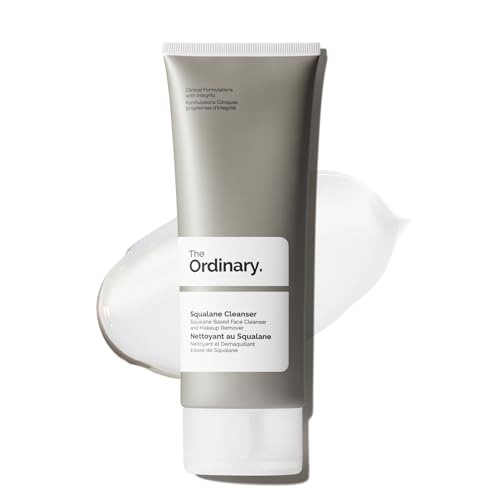
Choose format first, then formula. If you wear heavy, long-wear, or waterproof makeup, a rich balm like Clinique Take The Day Off Cleansing Balm or an all-in-one option like Banila Co Clean It Zero breaks it down without hard rubbing. Dry or mature skin tends to prefer a cushioning balm, while oily or breakout-prone skin does better with a lighter, fully emulsifying oil such as DHC Deep Cleansing Oil. Sensitive skin is safest with a fragrance-free, short-list option like The Ordinary Squalane Cleanser.
When to spend and when to save
Oil cleansing is a category where a budget pick performs. A low-cost option like Neutrogena Makeup Remover Cleansing Oil, used with a muslin cloth, removes makeup and SPF as thoroughly as a premium jar; a splurge like Elemis Pro-Collagen Cleansing Balm mostly buys scent and ritual. For breakout-prone skin, check the comedogenic rating of the oils before you buy.