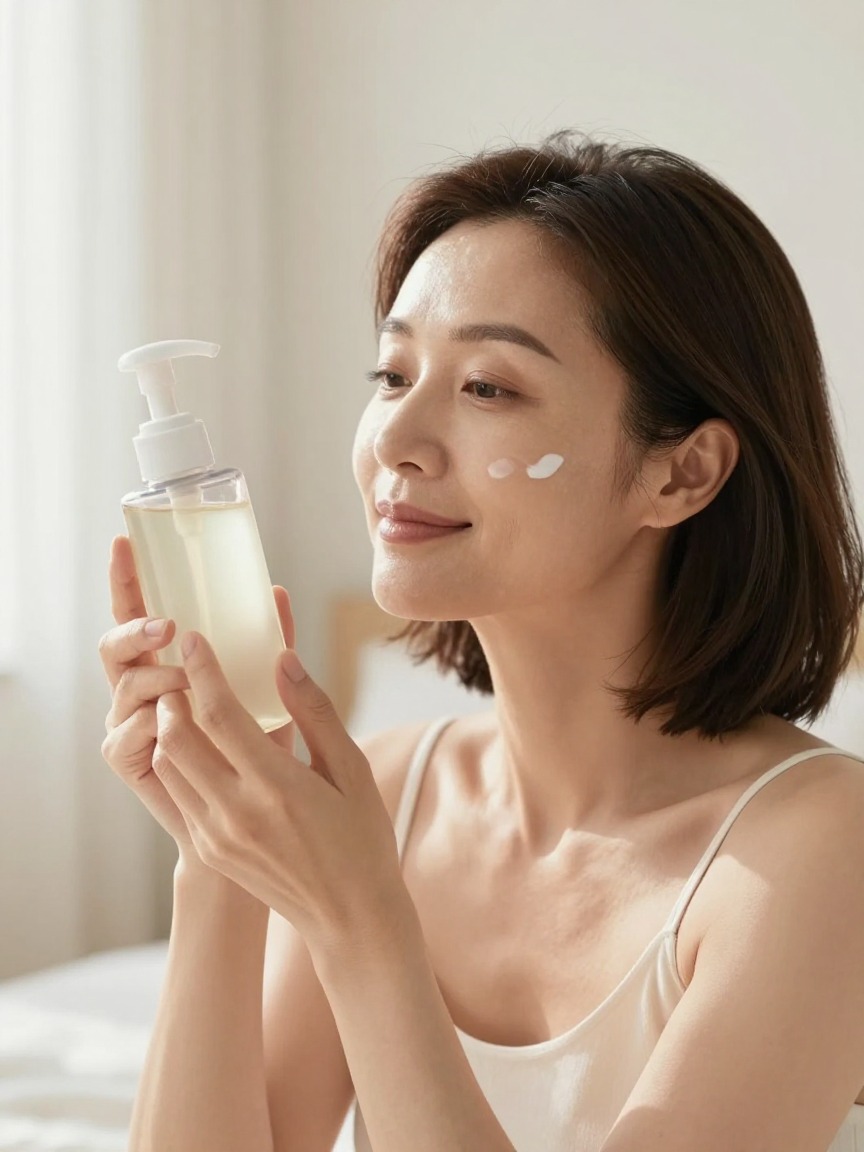
Gel vs. foaming cleanser textures for combination skin
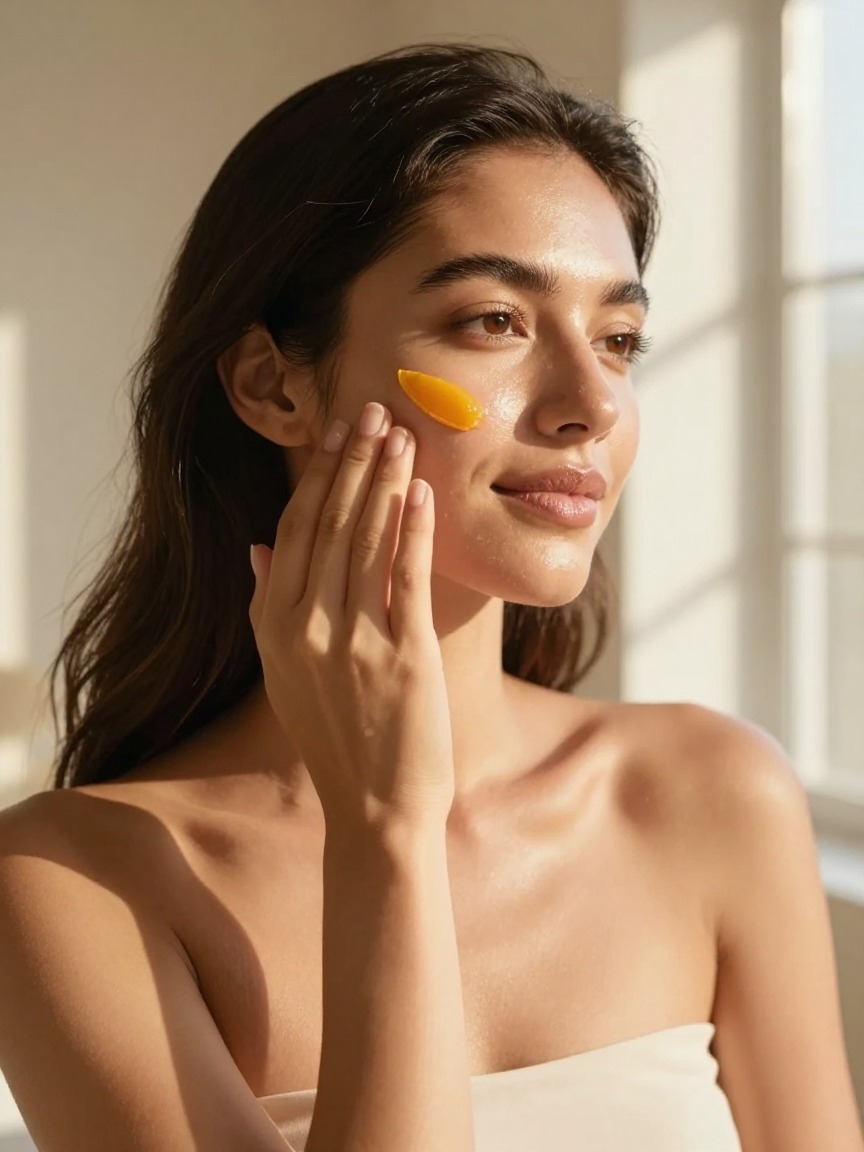
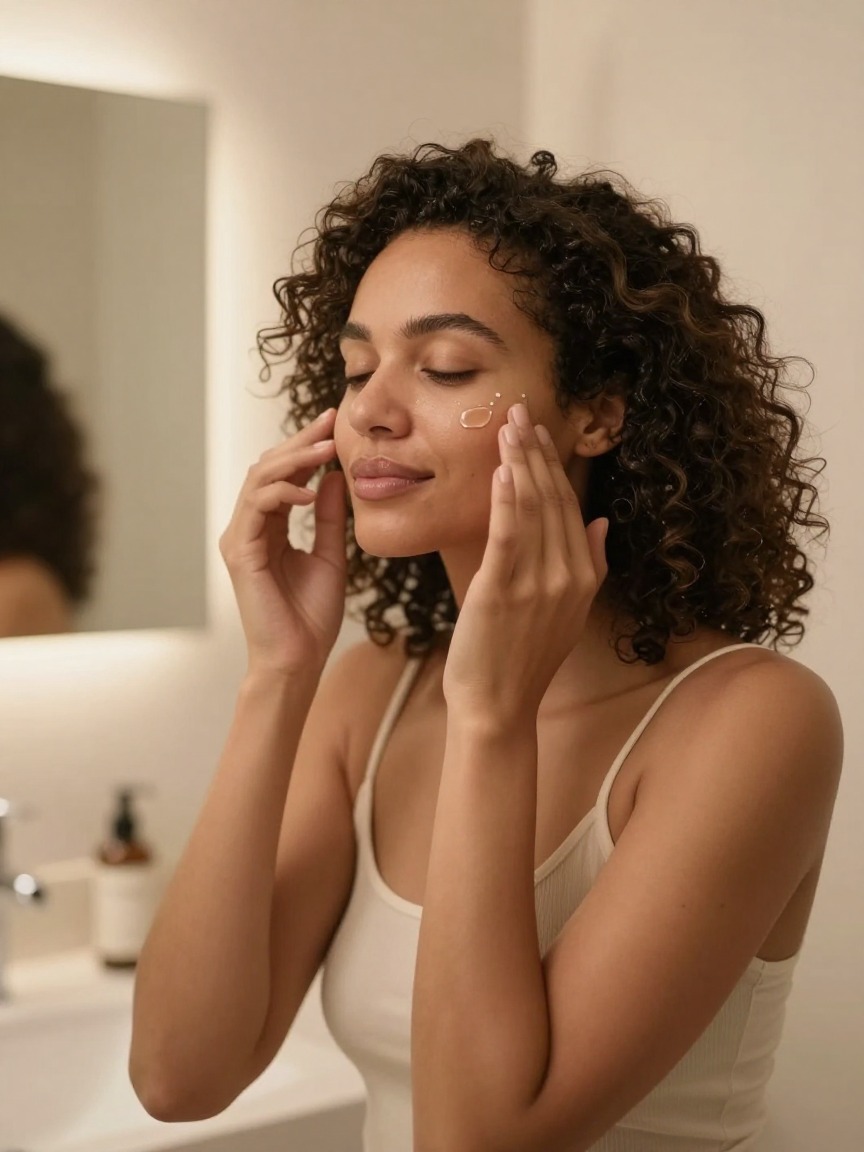
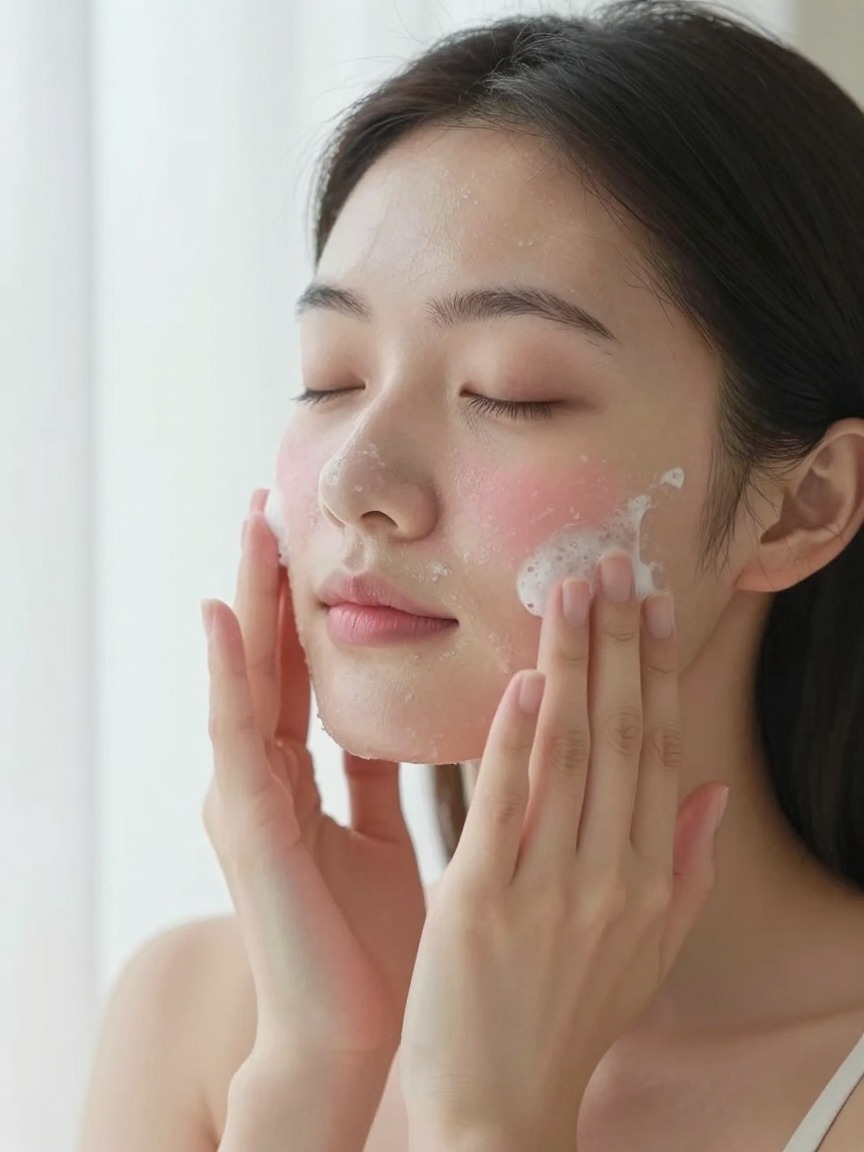
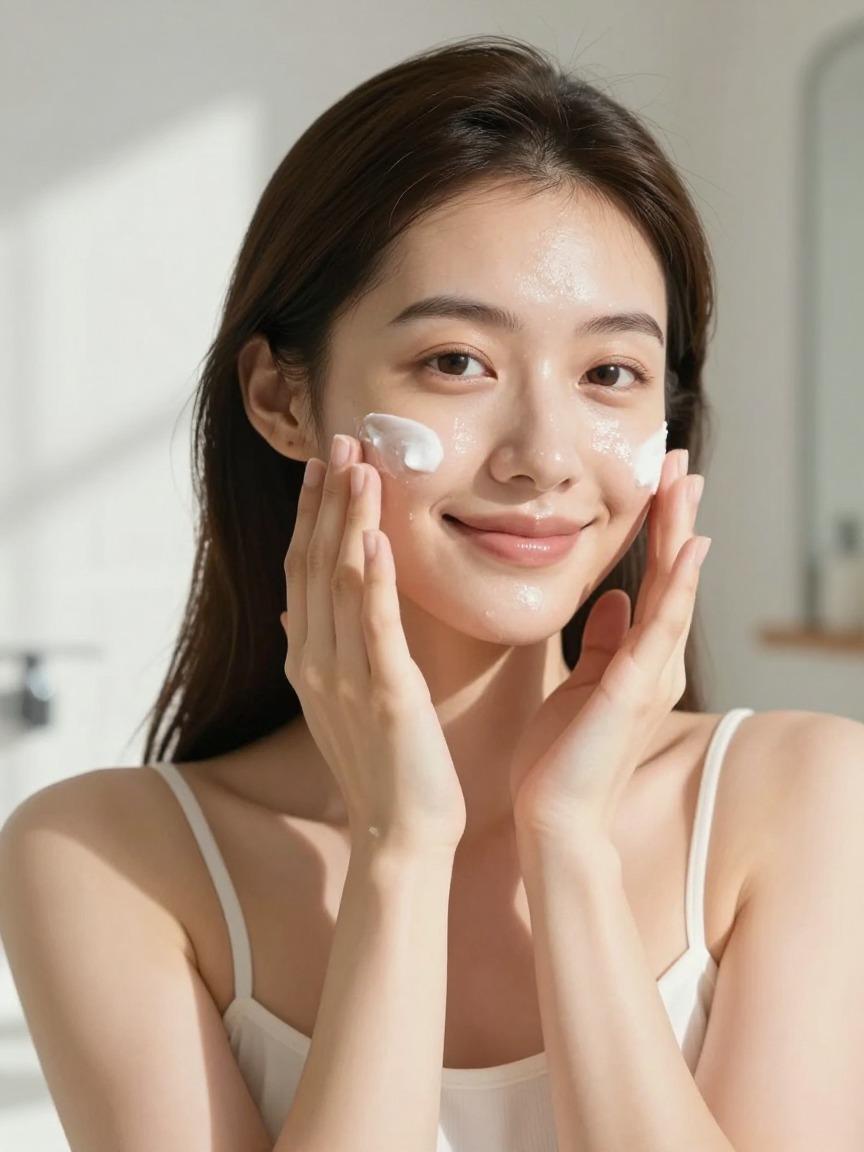
Gel cleansers are water-based and typically clear or translucent. They rinse away without the heavier film that cream or oil cleansers can leave behind. That clean rinse is what makes a gel cleanser a natural fit for combination skin. It's thorough enough to manage an oily T-zone. When formulated well, it's still gentle enough to spare the drier patches on the cheeks. The category ranges from lightweight 'jelly' textures to gel-to-foam formulas. Gel-to-foam types whip into a light lather on contact with water. A foaming cleanser texture is mostly a preference call, not a performance one.
Ceramides, niacinamide & hyaluronic acid: ingredients worth checking
- Ceramides help support the skin barrier while surfactants do the cleaning. This matters most on the drier zones of combination skin.
- Niacinamide is often included at low percentages to help with the look of oil and uneven tone over time. Contact time is short in a cleanser, so treat it as a bonus, not the main event.
- Hyaluronic acid or glycerin are humectants that keep the gel from over-drying. They're especially useful for the cheek and jaw areas.
Mild surfactants vs. sulfates, and fragrance-free options for sensitive skin
- Mild surfactants (like cocamidopropyl betaine or decyl glucoside) clean gently instead of harsher sulfates. A gentler surfactant base means less risk of a tight, stripped feeling after rinsing.
- Fragrance-free or low-fragrance formulas suit combination skin that leans reactive on the cheeks. Fewer added fragrance compounds means fewer possible triggers for sensitive skin.
Oily skin vs. dry skin: matching gel texture to your T-zone
If your T-zone gets shiny by midday but your cheeks feel fine, reach for a gel with built-in humectants. Look for hyaluronic acid or glycerin on the label. Skip a purely oil-stripping formula. You want oil control without over-cleansing the drier zones. If oil spreads evenly across your whole face, a gel-to-foam formula with niacinamide usually feels best. It controls shine without tipping into dryness. Be cautious with cleansers marketed purely as 'oil control' or 'mattifying.' Check for alcohol high on the ingredient list. Those formulas can overcorrect, pushing oily skin to produce even more oil to compensate.
Double cleanse, moisturizer & fitting a gel cleanser into your routine
A gel cleanser works well both morning and night for most combination-skin routines. At night, a single gel cleanse may not fully remove sunscreen or makeup. Try a quick first cleanse with micellar water or an oil-based cleanser. Follow it with the gel cleanser as a second step. This double cleanse gets skin properly clean without over-scrubbing. In the morning, a gel cleanser alone is usually enough. You're mainly removing overnight oil, not makeup. Don't skip moisturizer afterward just because skin feels 'clean' — even oily zones need a lightweight moisturizer to stay balanced.
Common mistakes with gel cleansers
- Over-cleansing — washing more than twice a day or scrubbing hard to 'get rid of' oil. This usually backfires and irritates skin.
- Choosing a cleanser by scent or foam level alone. Check the surfactant and humectant balance instead.
- Assuming 'gel' automatically means 'for oily skin.' Some gels are gentle enough for sensitive combination skin; others lean stronger. Read the full ingredient list, not just the texture claim.
- Skipping moisturizer after a gel cleanse because skin feels 'clean.' Even oily zones need a lightweight moisturizer to stay balanced.
Breakouts, pores & when to see a dermatologist
A well-matched gel cleanser can leave combination skin feeling more balanced, but it won't clear persistent breakouts or shrink the look of pores on its own. Those usually need a dedicated treatment product or a dermatologist's input. If breakouts, redness, or irritation don't ease up after a few weeks on a gentler gel cleanser, it's worth having a dermatologist take a look rather than testing formula after formula. (Reviewer note: this guide reflects independent product testing, not a dermatologist's diagnosis.)
Matching a gel cleanser to your skin and budget
Combination skin covers a wide range, so match the gel to where yours sits. If your T-zone runs oily but your cheeks stay comfortable, a hydrating gel like Neutrogena Hydro Boost Gel Cleanser keeps shine in check without over-drying. If your whole face leans oily, a barrier-supporting gel-to-foam such as CeraVe Foaming Facial Cleanser fits, while reactive combination skin does better with a low-fragrance option like La Roche-Posay Toleriane Purifying Foaming Cleanser.
When a splurge earns its place
Most combination skin is well served at drugstore prices. A step-up pick like Youth To The People Superfood Cleanser, a one-bottle option like Kiehl's Ultra Facial Cleanser, or a spa-style Dermalogica Special Cleansing Gel mainly buys texture and experience, not a better clean. Pay more only if that feel keeps you consistent, and check the surfactant and humectant balance rather than the price tag.