What Makes a Cleanser "Exfoliating"? BHA, Dead Skin Cells & Blackheads
Most face washes just lift oil, sweat, and surface debris. An exfoliating cleanser adds a chemical exfoliant, almost always salicylic acid, also called BHA. It dissolves the "glue" holding dead skin cells together inside the pore lining. For acne-prone skin, that matters because clogged pores are where breakouts start. The catch is contact time. Most exfoliating cleansers sit on skin for only 30-60 seconds before you rinse. So the exfoliation is real, but mild, compared with a leave-on serum or peel.
Salicylic Acid, Glycolic Acid & Benzoyl Peroxide: Ingredients Worth Checking
Not every "acne cleanser" on the shelf is actually exfoliating. Check the label for:
- Salicylic acid (0.5%-2%): Oil-soluble, so it reaches into the pore itself. The standard choice for blackheads and closed comedones.
- Glycolic or lactic acid: Water-soluble AHAs that work more on the skin's surface. Better for texture and tone than deep pore congestion.
- Benzoyl peroxide: Not an exfoliant, but often paired with BHA in acne washes. It kills acne-causing bacteria instead of sloughing cells, and can bleach towels and pillowcases.
- Ceramides, niacinamide, glycerin: These ingredients keep an exfoliating formula from stripping the skin barrier while it works.
Matching the Formula to Oily Skin, Sensitive Skin & Acne-Prone Skin
Oily, resilient, breakout-prone skin usually tolerates a 2% salicylic acid wash used daily. Combination and normal skin often does better every other day. Sensitive or reactive skin, or skin that's already compromised, needs a gentler start. Begin with a low-strength formula, 0.5%-1% salicylic acid, two to three times a week. Prioritize a cleanser that also lists ceramides or hyaluronic acid. Skin of color should be especially cautious about layering actives on the same night. That includes retinoids and extra BHA or AHA serums. Over-exfoliation shows up as irritation, not clearer skin.
Common Mistakes That Damage the Skin Barrier and Worsen Clogged Pores
The biggest mistake is stacking too many exfoliants at once. An exfoliating cleanser, a BHA toner, and a retinoid in one routine damages the skin barrier fast. A damaged barrier often triggers more breakouts, not fewer. The second mistake is judging a cleanser too quickly. Most people need three to four weeks of consistent use before pores visibly decongest. The third is expecting a wash-off product to replace a leave-on treatment. A cleanser's short contact time makes it a supporting player, not the whole acne strategy. If breakouts are cystic, painful, or not improving after 6-8 weeks, talk to a dermatologist. Don't just reach for a stronger cleanser.
Matching an exfoliating cleanser to your skin type and breakout pattern
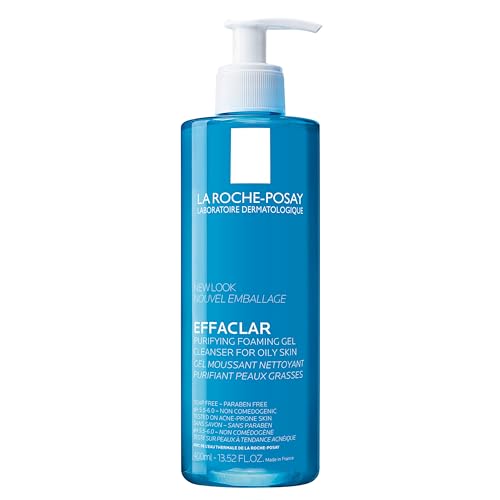
Start by being honest about how much exfoliation your skin actually wants. Oily, resilient, congested skin can usually handle a stronger daily BHA wash, so a deeper-cleaning option like Paula's Choice CLEAR Pore Normalizing Cleanser or La Roche-Posay Effaclar Medicated Gel Cleanser is a sensible match. Skin that breaks out but flushes or stings easily is better served by a gentler, barrier-supporting formula — something like CeraVe Renewing SA Cleanser or COSRX Salicylic Acid Daily Gentle Cleanser, which pair mild exfoliation with ingredients that cushion the barrier. If you mainly want a proven, no-frills salicylic wash, a drugstore staple like Neutrogena Oil-Free Acne Wash covers the basics without extras.
When to spend and when to save
Because a cleanser rinses off in under a minute, the acid does far less work than a leave-on serum would. That single fact should shape your budget. For most people, an inexpensive salicylic acid wash delivers the bulk of the benefit, and the money is better spent on a leave-on treatment. A prestige option like Murad Clarifying Cleanser may add antioxidants or a nicer texture, but treat those as comfort features, not clarity you're paying extra for. Spend up only if a formula's feel or added barrier ingredients genuinely help you stay consistent night after night. It also helps to buy a wash whose texture and scent you'll reach for daily, since one you dislike ends up unused at the back of the cabinet however well-reviewed it is.
Buying mistakes worth avoiding
- Buying the highest salicylic acid percentage you can find, when a lower strength paired with ceramides is often more sustainable for acne-prone skin
- Paying prestige prices for actives that wash straight down the drain in under a minute
- Buying a large size before patch testing a small one — reactive skin can flare on a new acid wash
- Choosing by “acne” marketing alone; confirm the formula actually contains an exfoliating acid, not just cleansing surfactants