Hydrating Toners (Glycerin, Hyaluronic Acid) vs Exfoliating Toners (Glycolic Acid, Salicylic Acid)
Toner covers two very different jobs today, and mixing them up is the most common mistake people make. A hydrating toner (sometimes called an essence-toner) is a lightweight, humectant-based liquid — think glycerin, hyaluronic acid, panthenol, aloe. It replenishes water content right after cleansing and preps skin for serum. An exfoliating toner is a leave-on acid treatment in liquid form. It uses AHAs like glycolic acid or BHAs like salicylic acid to loosen dead skin cells and unclog pores. You use the two types completely differently. Hydrating toners can go on morning and night, every day. Exfoliating toners are typically a 3–4-times-a-week (or every-other-night) product, not a twice-daily habit.
Alcohol-Free, Fragrance-Free & Humectant Ingredients Worth Paying Attention To
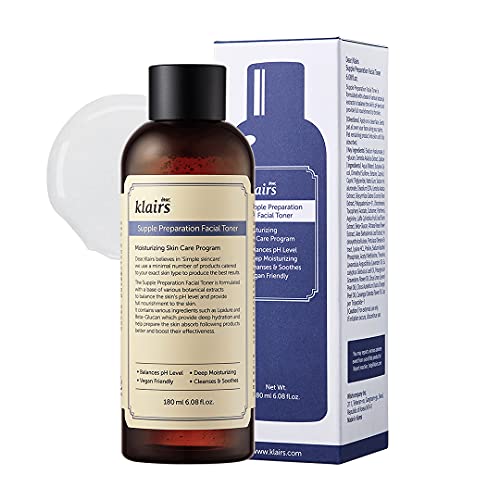
- Glycerin and hyaluronic acid — proven humectants that pull water into the skin. Look for these near the top of the ingredient list on hydrating formulas.
- Glycolic acid (AHA) — water-soluble, works on the skin's surface. Best for dullness, uneven texture, and mild sun damage.
- Salicylic acid (BHA) — oil-soluble, so it can get into pores. That makes it the better choice for blackheads and oily or congested skin.
- Witch hazel — mildly astringent, with a long history in skincare. Alcohol-free versions are gentler than the classic drugstore astringent your skin might remember.
- Fragrance and essential oils — common irritants in toners specifically, since a thin liquid applied to freshly cleansed, slightly more permeable skin can sting more than the same fragrance would in a cream. A fragrance-free, alcohol-free label is the safer bet for reactive skin.
Match It to Your Skin Type: Oily Skin, Dry Skin, Sensitive Skin & Combination Skin
Dry or sensitive skin generally does best with a fragrance-free, alcohol-free hydrating toner. This skin type should approach exfoliating acids cautiously, if at all. Oily and acne-prone skin tends to see the most benefit from a BHA-based exfoliating toner, used a few nights a week rather than daily. Combination skin can often use a gentle hydrating toner every day and layer in a mild AHA a couple of nights a week. Talk to a dermatologist before adding any acid toner if you have diagnosed rosacea, active eczema, or persistent cystic acne. We're reviewers, not clinicians, and what works for most people isn't a substitute for a proper diagnosis.
Cotton Pad Application, SPF & Pore Size: Protecting Your Skin Barrier
Apply toner with a cotton pad or clean hands right after cleansing, while skin is still slightly damp. The biggest mistake we see is stacking multiple exfoliating products on the same night. An acid toner plus a retinoid plus a separate exfoliating cleanser is a fast way to compromise your skin barrier. The second mistake is skipping SPF the morning after using an AHA or BHA toner; both increase sun sensitivity. The third is assuming an old-school astringent toner is 'toning' your pore size closed. It isn't. Pore size is structural, not something a liquid shrinks.
When to Spend and When to Save on a Toner
Toner is a category where an expensive bottle rarely beats a well-formulated cheap one. A basic, alcohol-free hydrating toner from a budget or drugstore brand does the same fundamental job as a designer one, so save your money here and spend it on the treatment steps that follow. The one place a little extra can be justified is a well-studied exfoliating formula, where the acid concentration, pH, and buffering are dialed in; an established BHA liquid is worth more than a cheap acid toner that prints a percentage but hides the pH. Judge exfoliants by formulation quality, not by how strong they smell or sting.
Reading a Toner Label Past the Marketing
- Match the type to the goal first. A congestion-and-blackheads shopper wants a BHA option; a dullness-and-texture shopper wants a gentle glycolic tonic; a sensitivity-first shopper wants a fragrance-free hydrator and nothing more.
- Beginners should start simple. A no-learning-curve, fragrance-free everyday hydrator is a safer first purchase than a strong combined-acid formula.
- Don't buy two acids at once. A single well-chosen exfoliating toner beats stacking a dual-acid product on top of another treatment you already own.
- Ignore "pore-refining" and "tightening" promises. Those describe a temporary feel, not a result you can buy.
Buy for the specific concern in front of you, not for a bathroom shelf full of options you'll rotate through once and then abandon.