Stone Material: Rose Quartz, Jade & Stainless Steel
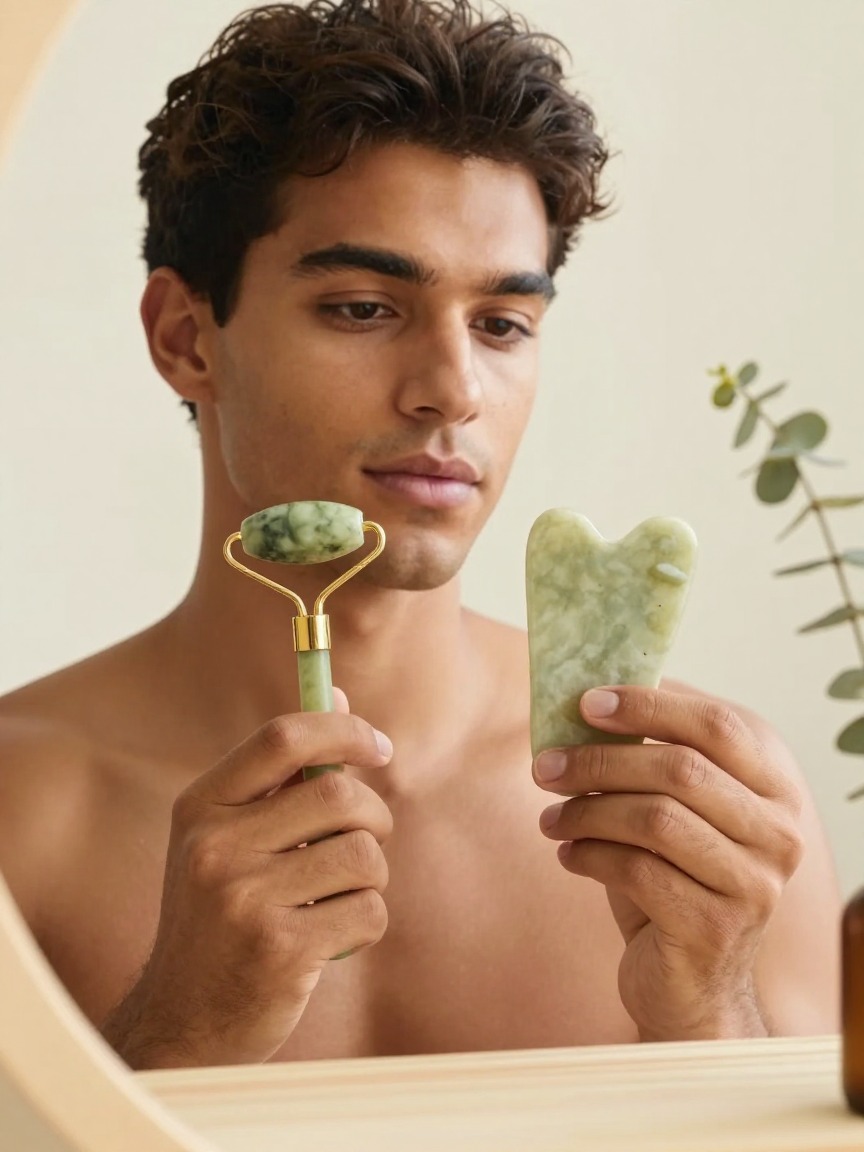
Most gua sha tools and rollers are carved from rose quartz, jade (often a dyed or lower-grade jade-adjacent stone at accessible price points), or made from polished stainless steel. The material itself has no proven skincare benefit. Claims about crystals "balancing energy" or releasing healing properties aren't backed by dermatology research. What matters practically is weight, how cold the stone stays, and durability. Stainless steel and rose quartz both hold a chill longer, which feels good on puffy mornings. Cheap resin-and-glitter versions crack and chip. Solid stone or steel holds up for years of daily use.
Bian Stone & Traditional Chinese Medicine Origins
Gua sha began as a Traditional Chinese Medicine practice, traditionally performed on the body with a bian stone rather than rose quartz or jade. A bian stone is a dense, smooth-grained stone valued for its weight and durability. Modern facial gua sha borrows that scraping technique. It adapts the pressure and tool shape for delicate facial skin instead of the body.
Gua Sha Stone vs. Facial Roller
A flat gua sha stone is scraped along the skin with light-to-firm pressure. It gives you far more control over angle and pressure. It's the better pick if you want to target the jaw, brow bone, or neck tension specifically. A facial roller glides passively and is more forgiving for beginners, but the motion is gentler and more superficial. Plenty of people end up owning both — a roller for a quick daily pass and a stone for a slower weekly ritual.
Edge Shape for the Jawline and Cheekbones
Look for a tool with at least two distinct working edges: a longer flat edge for the jawline, cheekbones, and neck, and a smaller curved notch for the eye area and nose bridge. Symmetrical heart- or fish-shaped stones with thin, polished edges give the most precision and the least drag. Avoid anything with rough, unfinished edges. They catch on skin instead of gliding over it.
- Two working edges (flat plus curved) at minimum
- A comfortable weight — heavier isn't automatically better, it's just more tiring to hold through a full session
- Smooth, rounded edges with no seams that snag skin
- For rollers, a head that spins freely without seizing up after a few uses
Facial Oil, Lymphatic Drainage & Circulation
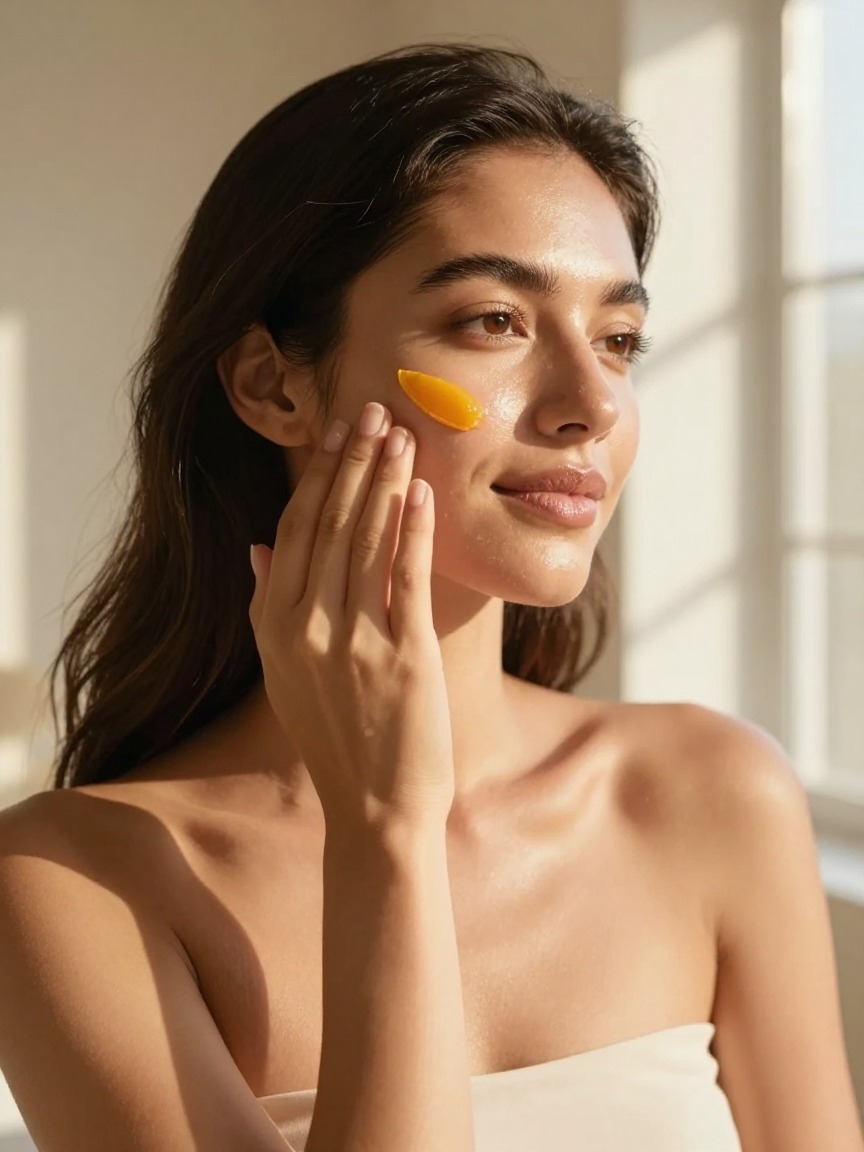
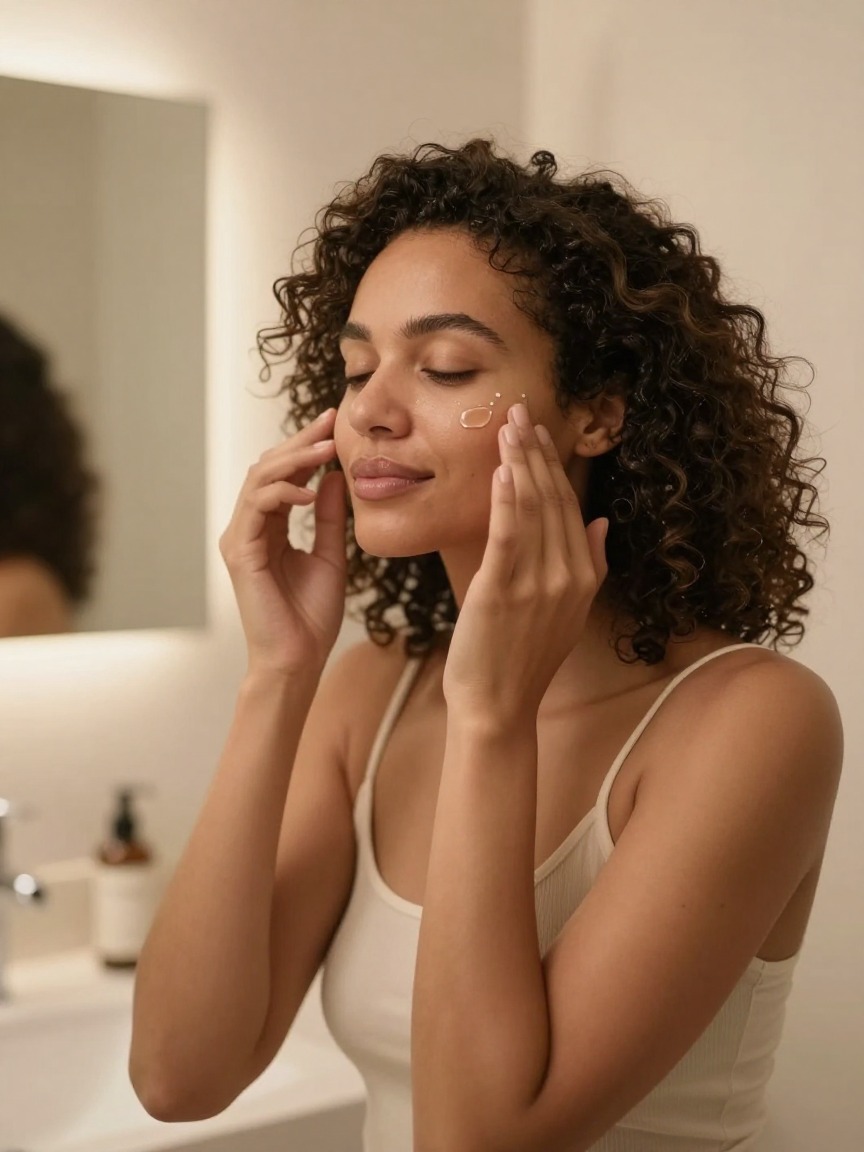
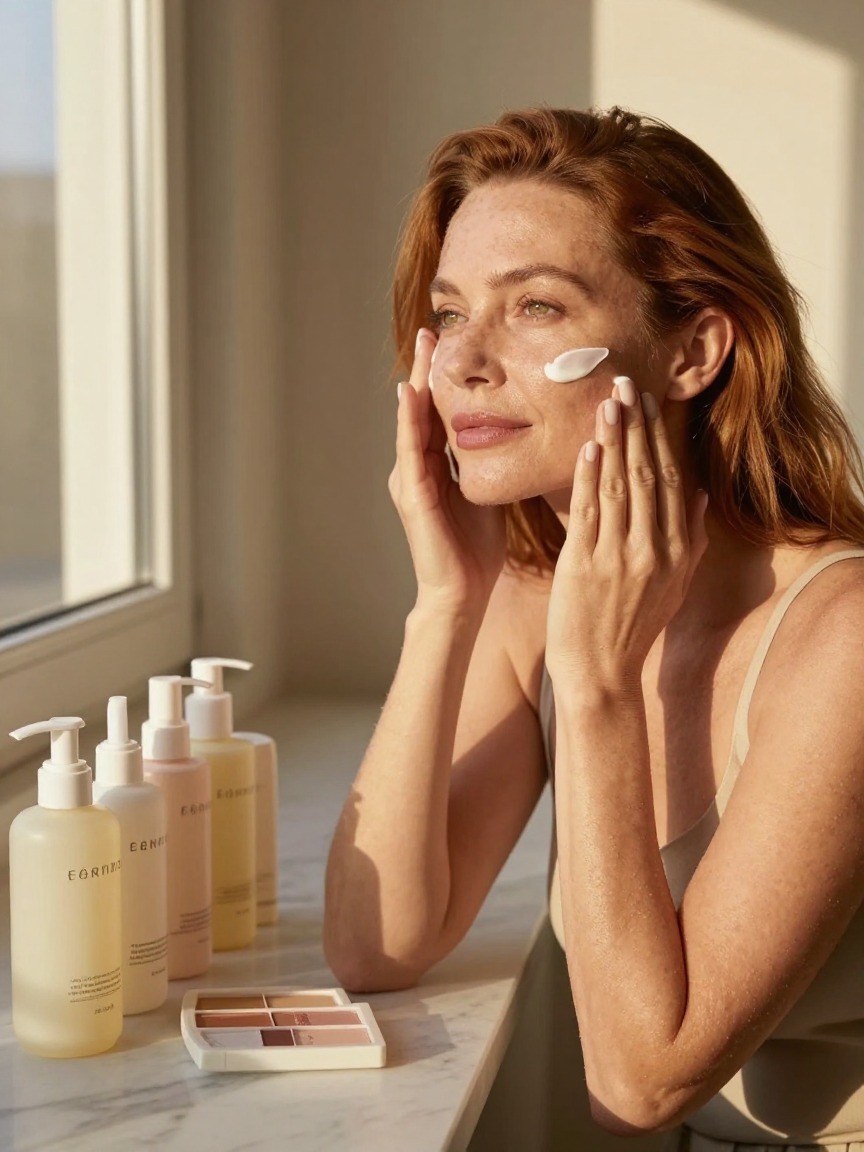
A gua sha tool needs slip to do anything useful. Dragging a dry stone across dry skin doesn't massage tissue. It just creates friction. On thin under-eye or neck skin, that friction can leave temporary red marks. Too much pressure can even cause bruising. Budget a lightweight facial oil into the cost of the tool; it isn't optional. The scraping or rolling motion is meant to support lymphatic drainage and circulation — that's what produces the short-lived de-puffing effect people notice.
Pressure, Squalane Oil & Common Mistakes
A gua sha or facial roller session should never hurt. Keep pressure light to moderate and let the oil do the work of reducing drag. Squalane, jojoba, or a dedicated gua sha oil all work well as a glide medium.
- Pressing hard enough to bruise, on the assumption that more pressure means better results
- Using the tool over active acne, an open blemish, sunburn, or a rosacea flare
- Expecting permanent contouring — the visible lift is temporary fluid movement, not a change in fat or muscle
- Skipping the squalane or other facial oil and dragging the stone on bare skin
- Never cleaning the tool, which lets oil residue and bacteria build up in the grooves
Puffiness, Under-Eye Care & Sensitive Skin
Puffiness shows up first around the under-eye area, but that skin is also the thinnest on the face, so treat it gently. If you have sensitive skin, start with a roller rather than a scraping stone and use very light pressure near the eyes. If you have a diagnosed skin condition, bruise easily, or are on blood thinners, check with a dermatologist before adding facial massage tools to your routine.
Spend vs. Save: What You're Actually Paying For
Since the stone material itself carries no proven benefit, a higher price mostly buys nicer finishing, a more ergonomic shape, and durability, not better results. A well-finished budget stone with smooth, snag-free edges outperforms a pricey one that's uncomfortable to hold. Spend up only for a facialist-designed shape you'll genuinely reach for daily, or a starter set that bundles a proper glide oil so you're not buying that separately. For a first tool, an inexpensive, well-shaped stone or a simple roller-and-oil combo tells you whether the ritual suits you before you invest any more.